American-Made Cast-Iron Cookware: Skillets, Dutch Ovens & Griddles Still Forged in the USA
Cast iron is one of the most forgiving, longest-lasting materials in the kitchen — and it's one of the few where a strong domestic industry still exists. Every piece here is cast in the United States, from Tennessee to Oregon, by foundries that stake their reputation on the metal they pour. Filterable by type, state, and price.
- Pieces compared
- 13
- American makers
- 8
- States
- 8
Why American-made cast iron is worth buying
Cast iron is a lifetime — often a multi-generational — purchase. A well-maintained skillet from 1950 still cooks as well as a new one, which makes the sourcing decision matter more than it does with, say, a sponge. American foundries have made cookware continuously since the 1800s, and the domestic industry never fully collapsed the way other manufacturing sectors did. Lodge has poured iron in South Pittsburg, Tennessee for over 125 years. The newer wave of premium foundries — Field Company, FINEX, Smithey, Lancaster, Borough Furnace — has raised the craft bar considerably over the past decade.
Buying domestic here also has a practical dimension: these companies have real phone numbers, replace defective pans, and have been answering questions about their products for decades (or longer). Cast iron you'll own for 40 years is worth buying from a company you can call.
What to look for
- Surface finish. Older-style pans (Lodge, most vintage iron) have a slightly textured pebbly surface from the sand mold. Polished-surface pans (Field, FINEX, Smithey, Stargazer, Lancaster, Borough Furnace) release food more easily before seasoning is established. Either approach works once the pan is well-seasoned.
- Weight. Traditional cast iron is heavy by design — the mass retains heat. Modern American foundries (especially Field Company) have thinned their walls without sacrificing heat retention, producing pans that are noticeably lighter to lift without compromising performance.
- Handle design. Long single handles work on the stovetop; dual helper handles (Austin Foundry, Borough Furnace's braising skillet) are better for moving a heavy pan from oven to table. FINEX's spring-steel handle stays cooler than bare iron.
- Country of casting, not just the brand. Some cast-iron brands are American-owned but cast overseas. Every foundry on this list pours its own iron in the USA.
Who makes what
For everyday value, Lodge is the clear answer — the 10.25-inch skillet costs less than a restaurant meal and is made in the same Tennessee foundry as always. For a polished heirloom piece, Field Company, Smithey, Lancaster, and FINEX each deliver a noticeably refined experience at a premium price. For braising and Dutch-oven cooking, Stargazer's 13.5-inch braiser and Lodge's 5-quart Dutch oven cover the range from budget to mid-tier. For something truly small-batch, Borough Furnace in Syracuse casts by hand in limited runs — the closest thing to a bespoke pan you can buy.
Know an American cast-iron foundry we're missing? Submit it.
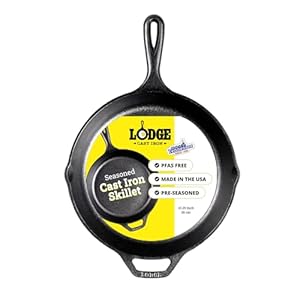 $15-$25
Lodge 10.25 Inch Cast Iron Skillet
The American cast-iron standard — made in South Pittsburg, Tennessee since 1896. Hard to beat at the price.
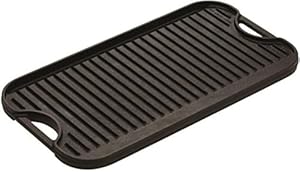 $30-$50
Lodge Cast Iron Griddle
A two-burner griddle cast in the same Tennessee foundry — flat on one side, ridged on the other.
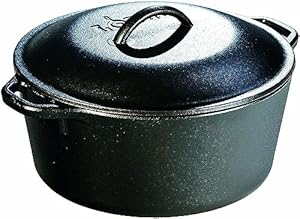 $40-$60
Lodge Cast Iron Dutch Oven 5 Quart
Five quarts of Tennessee-cast iron, ideal for braises and camp cooking.
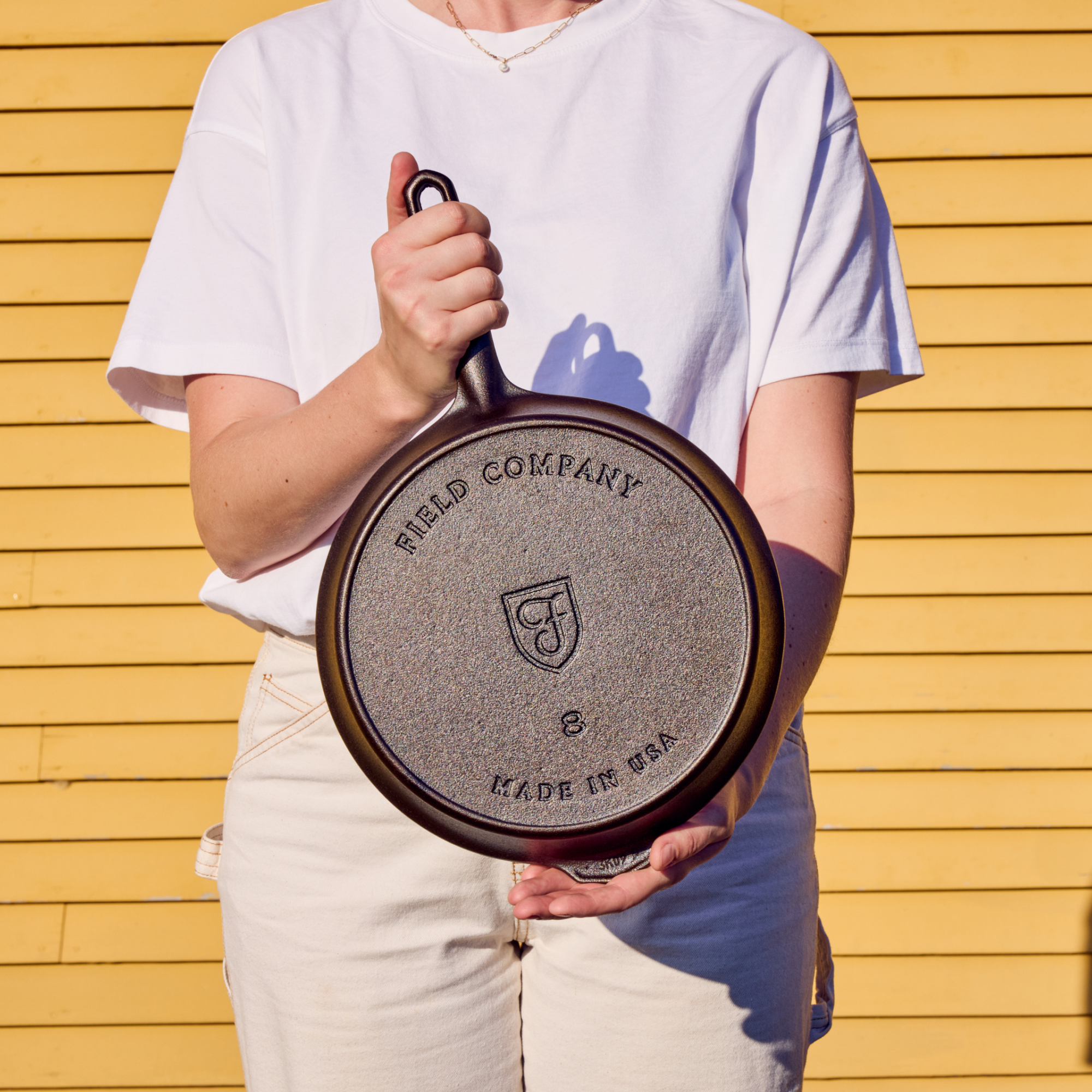 $160-$170
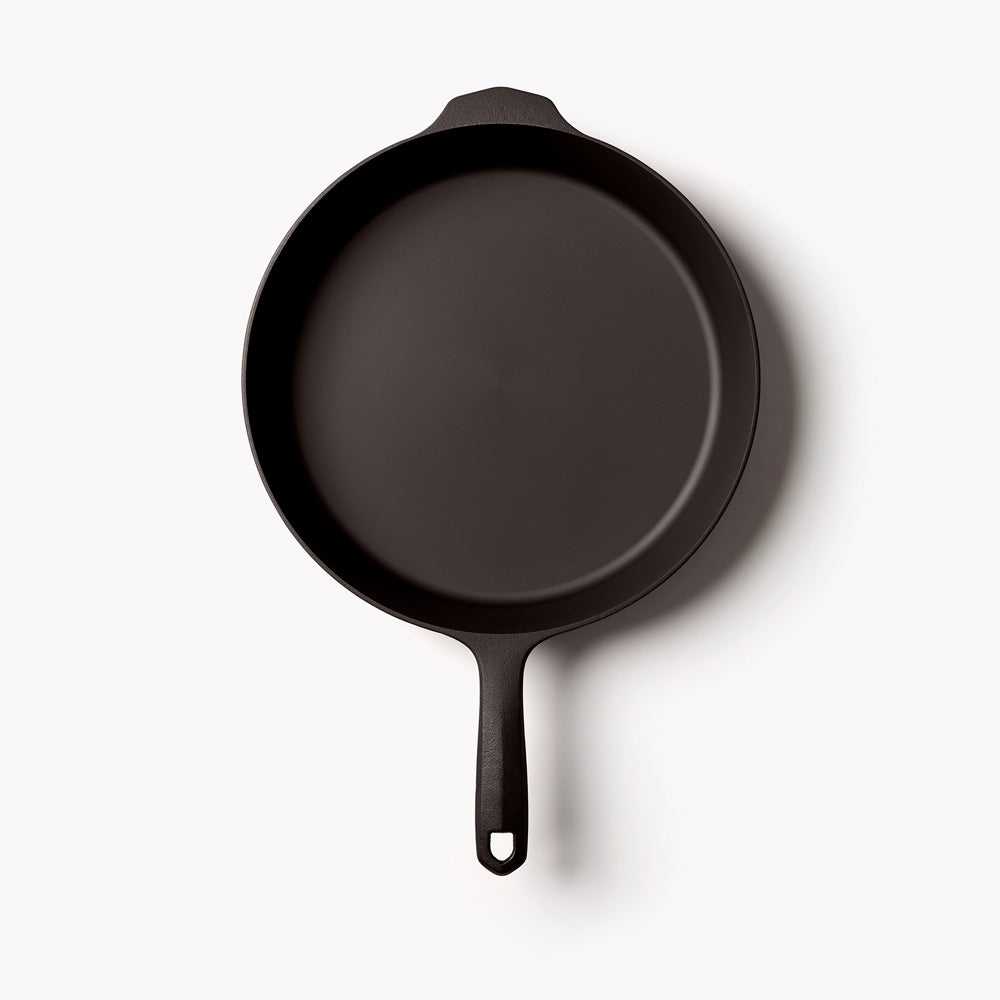
Field Company No.8 Cast Iron Skillet
Machine-polished to a glassy surface, noticeably lighter than vintage cast iron — a modern heirloom from New York.
 $210-$220
Field Company No.10 Cast Iron Skillet
Field's most popular size — the polished surface and thin walls make it feel nothing like a hardware-store skillet.
 $190-$210
FINEX 10" Cast Iron Skillet
Octagonal with a spring-steel handle and machine-polished surface — cast in Portland, Oregon.
 $220-$240
FINEX 12" Cast Iron Skillet
FINEX's flagship size: the 12-inch has enough room for a whole chicken in the same pan you built the fond in.
 $175-$185
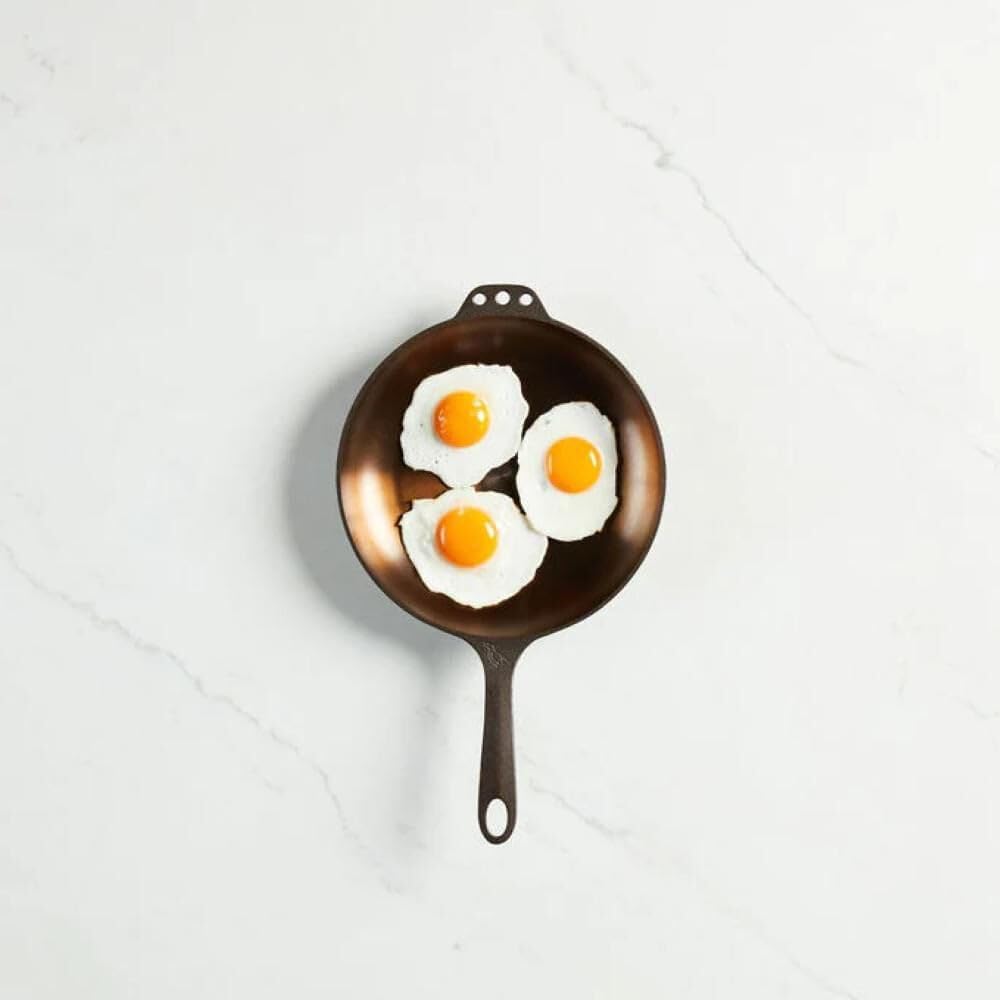
Smithey No. 10 Cast Iron Skillet
Hand-finished in Charleston, South Carolina — the smooth interior and refined lines put it in the heirloom category.
 $145-$160
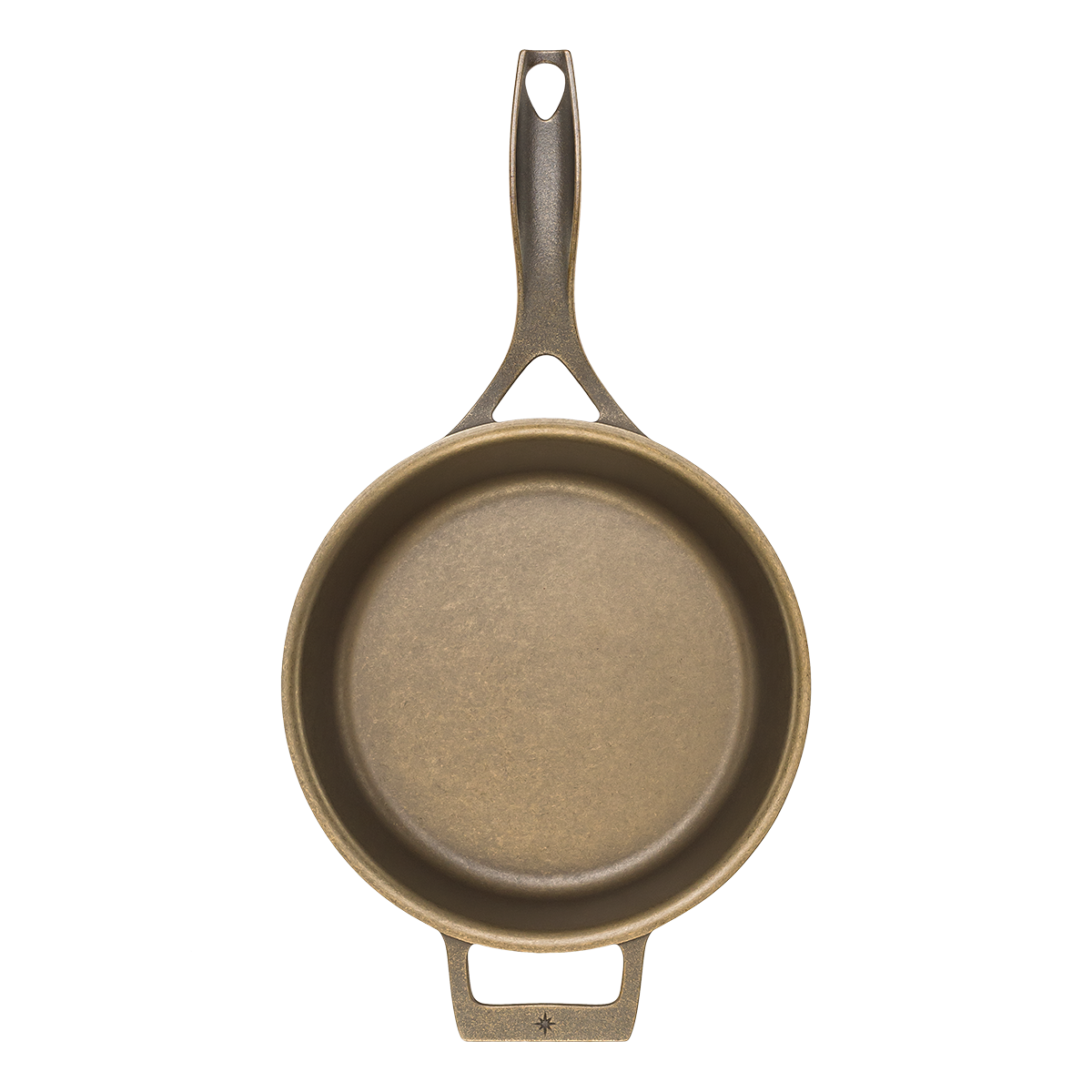
Stargazer 10.5-Inch Cast Iron Skillet
A helper handle, a smooth pour spout on both sides, and a polished surface — cast in Pennsylvania.
 $185-$200
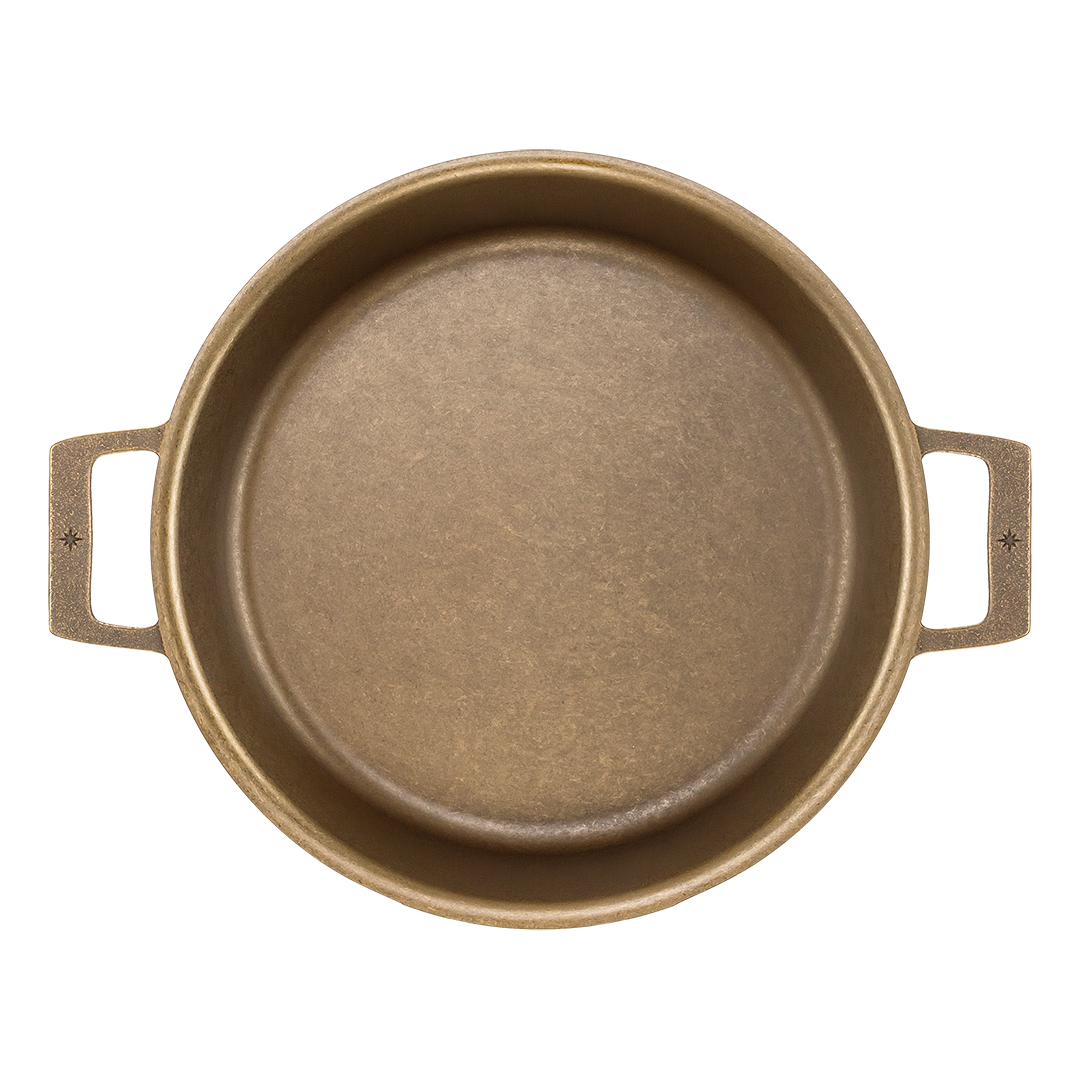
Stargazer 13.5-Inch Cast Iron Braiser
The braiser format — wide and shallow with a lid — is underrated. Stargazer's Pennsylvania-cast version handles braises, frittatas, and pan bread equally well.
 $249
$249Lancaster No. 8 Cast Iron Skillet
Thin-walled, hand-finished, and polished — Lancaster's No. 8 is cast in Pennsylvania and built for daily use over decades.
 $240
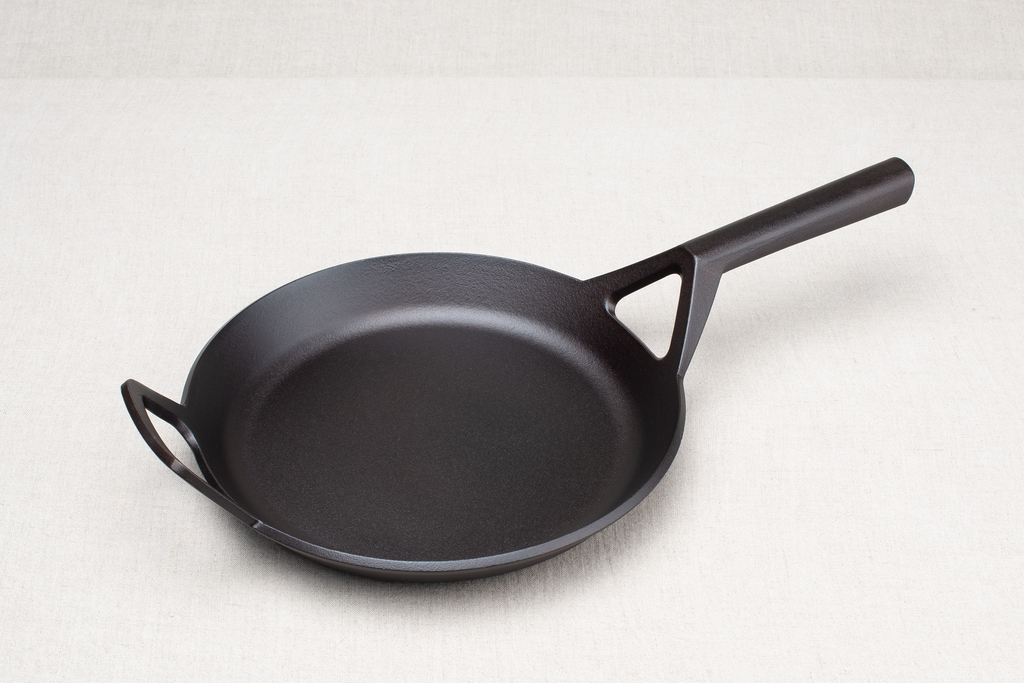
$24010.5" Frying Skillet
A small-batch foundry in Syracuse, New York — Borough Furnace casts by hand in tiny runs. Each pan is as close to bespoke as cookware gets.
 $195
$195GRIZZLY 12" Cast Iron Skillet
Cast in North Carolina with a smooth machined surface and a long, comfortable handle — an independent Southern foundry.
Frequently asked questions
Is Lodge still made in the USA?+
Yes. Lodge Cast Iron has manufactured all of its cast-iron cookware in South Pittsburg, Tennessee since 1896. The foundry pours molten iron into sand molds on site. Lodge's enameled Dutch ovens are the one exception — the enamel coating is applied overseas, but the iron casting is still domestic.
What's the difference between a polished and an unpolished cast-iron skillet?+
Lodge and older pans have a slightly textured (pebbly) surface from the sand mold. Companies like Field Company, FINEX, Smithey, and Lancaster machine-polish their cooking surfaces to a near-smooth finish, which releases food more easily before seasoning is built up. Both perform similarly once well-seasoned; the polished pans just get there faster.
How do American cast-iron prices compare to imported alternatives?+
Lodge is price-competitive with imported cast iron at $15–$35 for a skillet. The premium American foundries (Field Company, FINEX, Smithey, Lancaster, Borough Furnace) range from $120–$385 — closer to high-end European pieces. The premium buys a lighter casting, a machined surface, or small-batch foundry craft.
Can I use cast iron on an induction cooktop?+
Yes — all cast iron is induction-compatible. The flat-bottomed skillets from every maker on this list will work on induction, gas, electric, and in the oven. The FINEX pans have a multi-faceted octagonal shape; the flat center still makes full induction contact.
Know one we missed?
These guides grow as the directory does. Submit an American-made product or company and help the next shopper find it.