American-Made Soap & Bath: The Makers Still Crafting at Home
Most soap on the shelf today is manufactured overseas, even brands with wholesome American names. These aren't. Every product here is still made in the United States by a company that formulates, batches, or cold-processes it domestically — filterable by type, state, and price.
- Products compared
- 13
- American makers
- 11
- States
- 9
Why American-made soap is worth seeking out
Soap is one of the oldest manufactured goods, and the craft never left this country — it just got crowded out on store shelves by synthetic detergent bars and imported brands with American-sounding names. The makers on this list still do the work domestically: formulating, cold-processing or hot-processing, curing, and packaging, all in the United States. That means shorter supply chains, fresher product, and the ability to use ingredients that wouldn't survive a container-ship journey without preservatives.
It also means accountability. When a small farm in Indiana or Tennessee puts its name on a bar, there's a real person on the other end of the label — not a multinational that owns the brand and licenses it to a contract manufacturer in another country.
Cold-process bars vs. liquid castile: what to reach for
Cold-process bar soap is the artisan standard. Oils and lye saponify at room temperature, leaving glycerin intact — the natural moisturizer that liquid detergent soap manufacturers remove and sell separately. Bars from Beekman 1802, Chagrin Valley, Goat Milk Stuff, Indigo Wild, Little Seed Farm, and Osmia are all cold-process. They last longer per ounce than liquid alternatives and generate less packaging waste.
Liquid castile soap (Dr. Bronner's, Vermont Soap) is a true soap — not a synthetic detergent — made with plant oils and water. It's dilutable, which makes the economics work out: a 32-ounce bottle of castile concentrate can replace multiple single-use products. Good for body wash, hand soap, and light household cleaning.
Specialty goat-milk bars (Beekman, Chagrin Valley, Goat Milk Stuff, Indigo Wild, Little Seed Farm) are worth singling out because the goat milk is the active ingredient, not a marketing claim. These makers all source milk locally, often from their own herds, and process it fresh. The lactic acid and fat content translates into a noticeably gentler bar.
How to read a soap label
Most conventional bar soaps are technically detergents — sodium lauryl sulfate plus synthetic hardeners and preservatives — with no actual soap in them at all. Real soap's ingredient list reads like an oil press: saponified coconut oil, saponified olive oil, saponified shea butter. Synthetic detergent bars list sodium lauryl sulfate or sodium laureth sulfate near the top.
Price is a rough signal but not a reliable one. The $7 Dr. Squatch bars and $6 Goat Milk Stuff bars are genuine cold-process soap made in the USA, while some premium-priced products at the same pharmacy are synthetic detergent with a better fragrance budget.
Every product above links to its full detail page in the directory, with its documented manufacturing location and company profile. Know an American soap maker we're missing? Submit it.
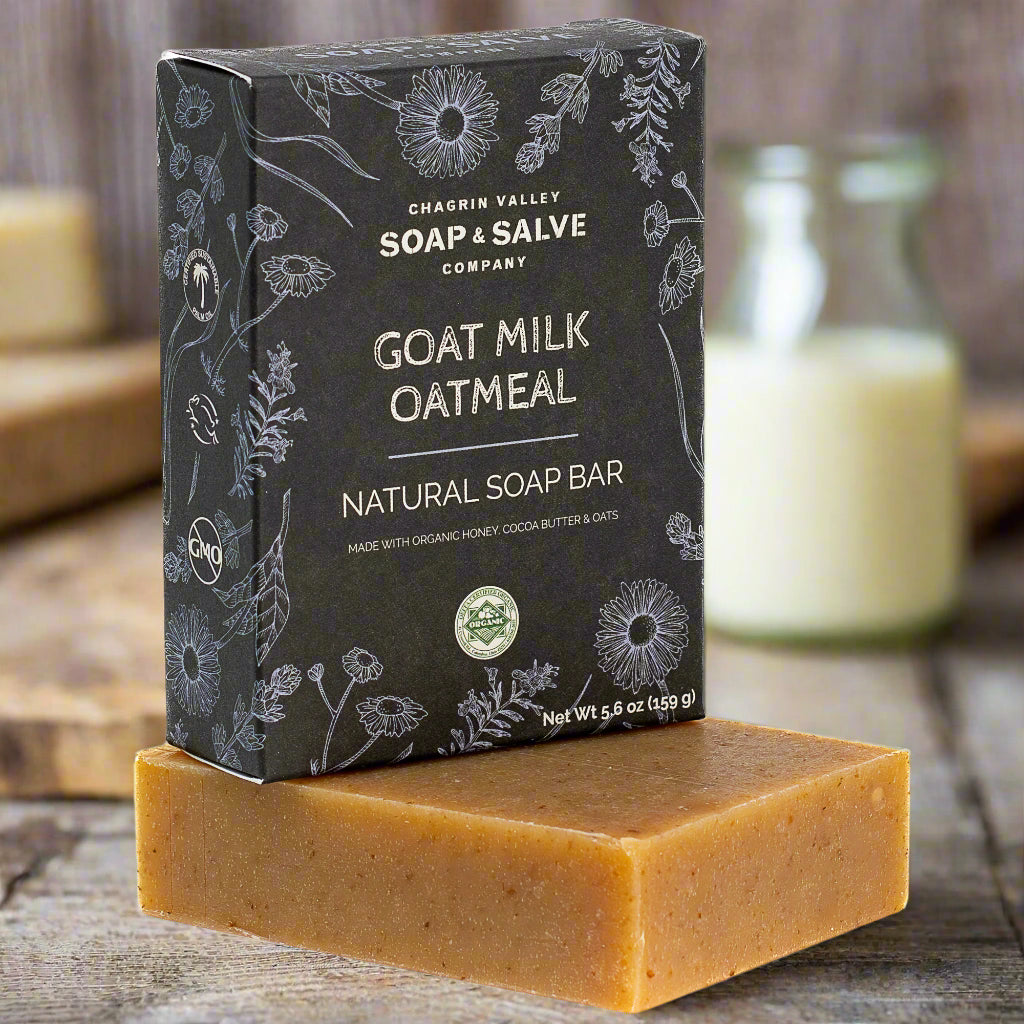 $11-$12
Chagrin Valley Goat Milk & Oatmeal Soap Bar
Small-batch cold-process soap from Solon, Ohio — colloidal oatmeal and goat milk for sensitive skin, zero synthetic detergents.
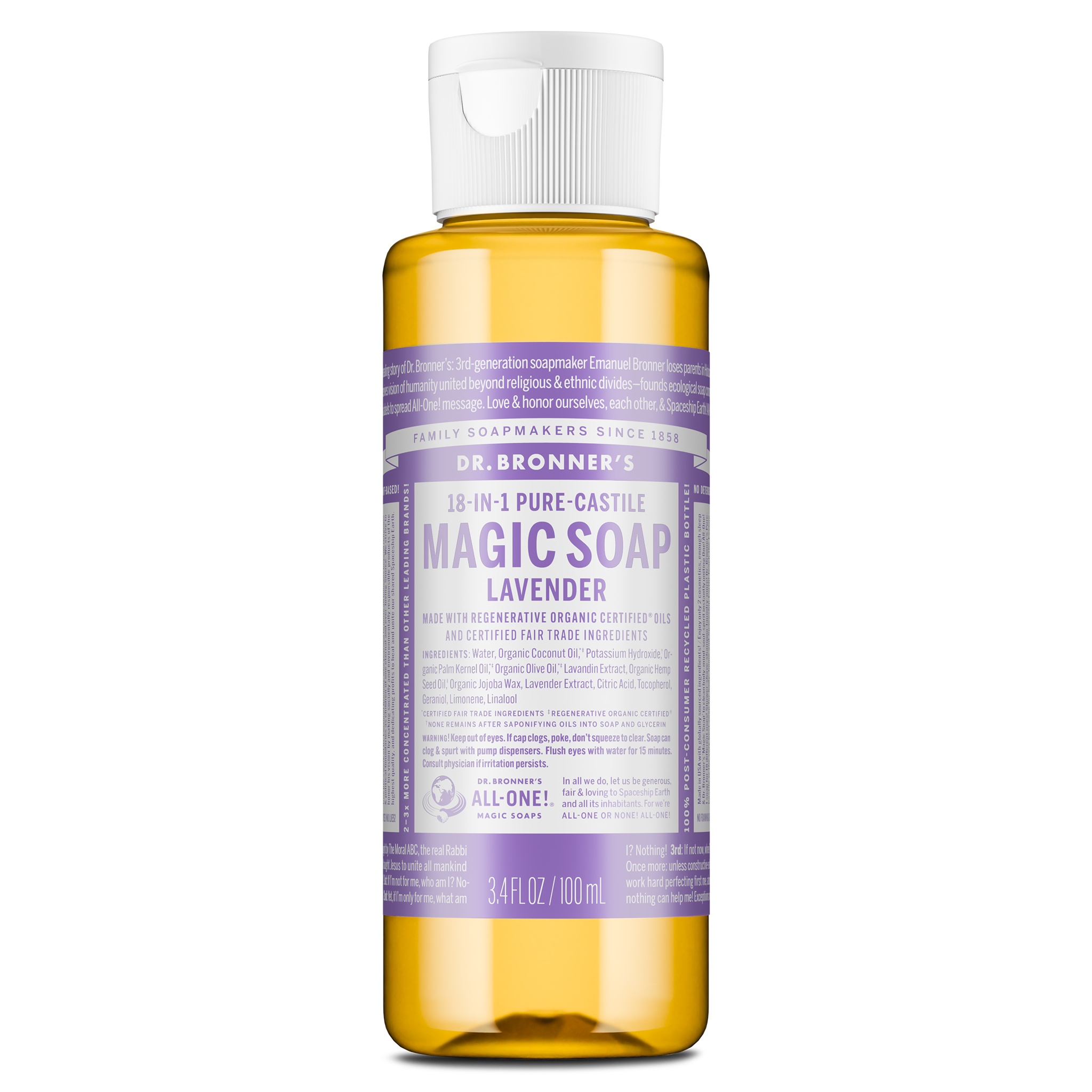 $10-$18
Dr. Bronner's Pure-Castile Liquid Soap Lavender
The original American castile soap, made in Vista, California since 1948 — organic coconut and olive oils, fair-trade certified.
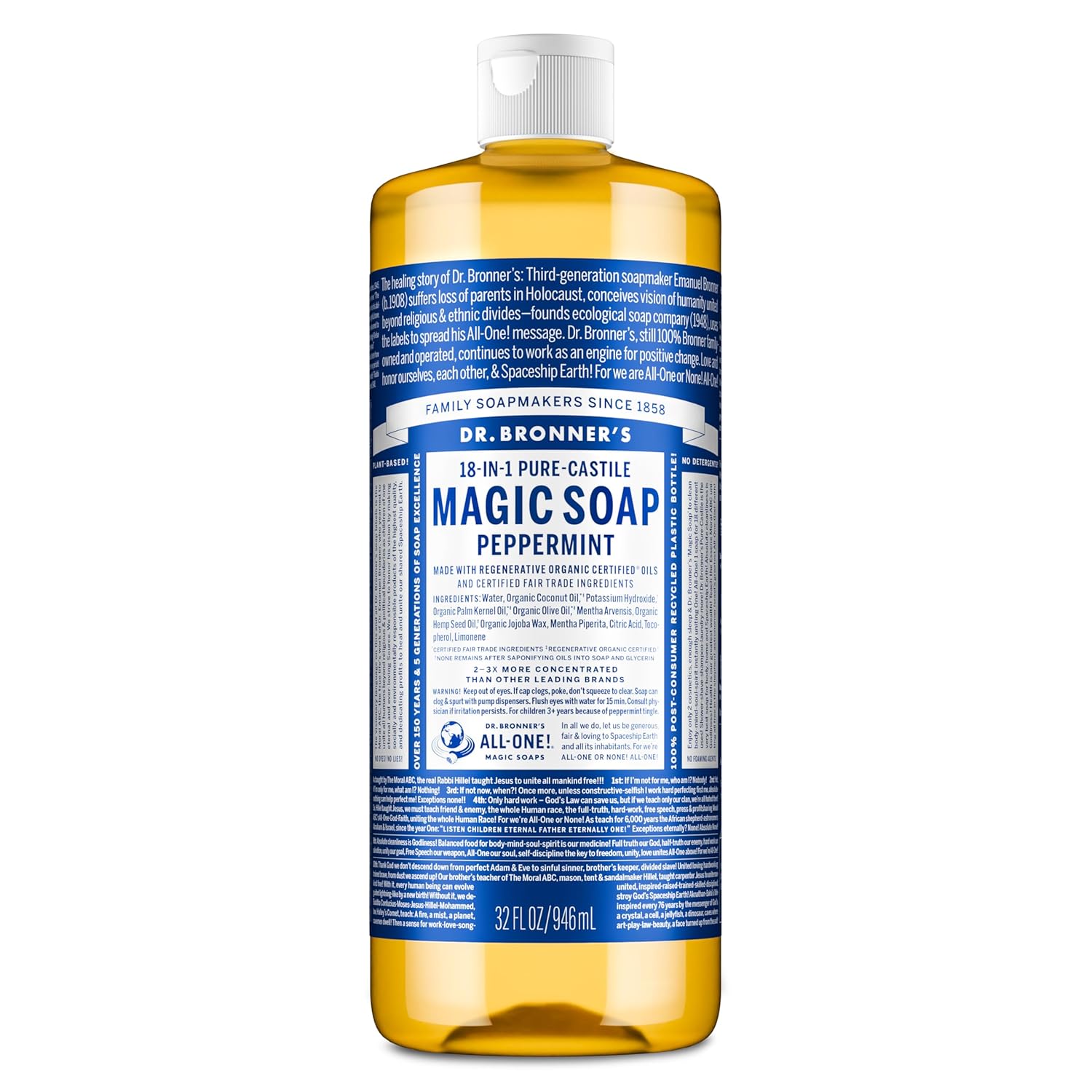 $10-$18
Dr. Bronner's Pure-Castile Liquid Soap Peppermint
The cult-favorite peppermint formula — same organic castile base, with a cooling tingle that's made it a locker-room staple for decades.
 $7
$7Dr. Squatch Pine Tar Bar Soap
Natural pine tar gives this Los Angeles-made bar its signature woodsy scent and exfoliating texture — the brand's best-selling SKU.
 $7
$7Dr. Squatch Bay Rum Bar Soap
A spiced, rum-scented cold-process bar made in California — warm clove and bay on a coconut-oil base.
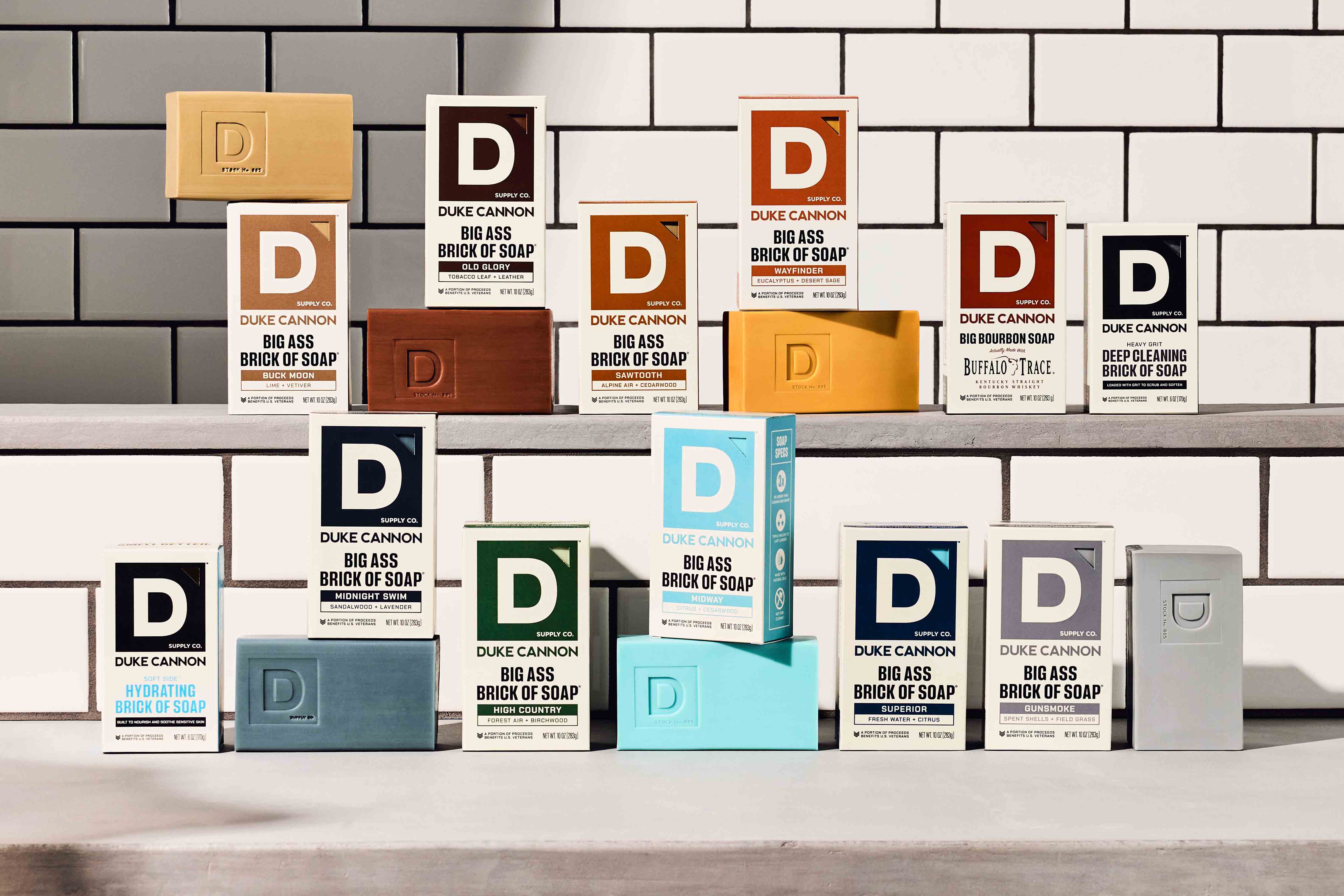 $8-$12
Duke Cannon Big Ass Brick of Soap
Three times the size of a standard bar, made in Minnesota and designed for one thing: washing off a hard day's work.
 $12-$16
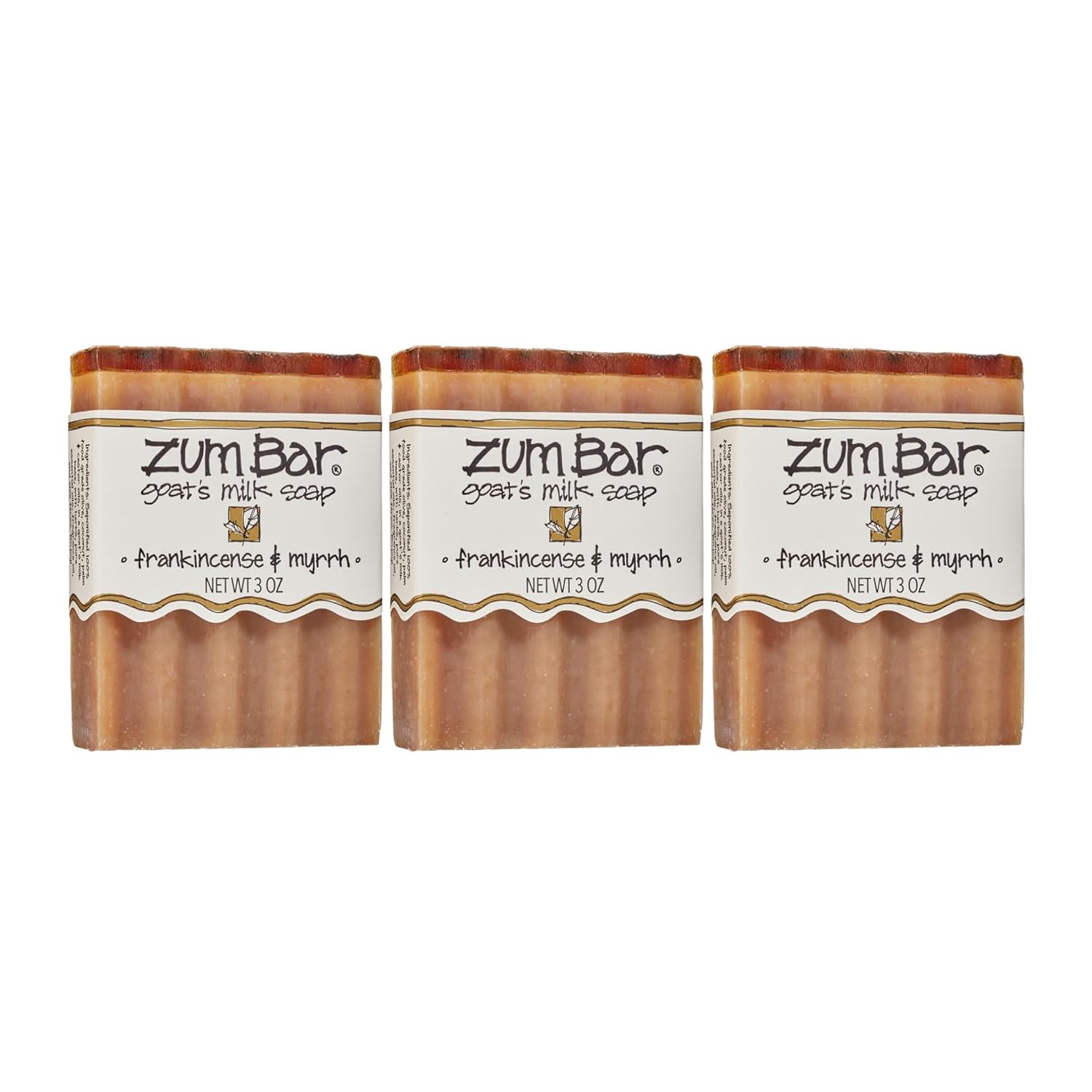
Zum Bar Goat's Milk Soap — Frankincense & Myrrh (3-Pack, 3 oz each)
Zum Bar is cold-process goat-milk soap made by hand in Kansas City, Missouri — the frankincense-and-myrrh blend has been a fan favorite since 1999.
 $25-$32
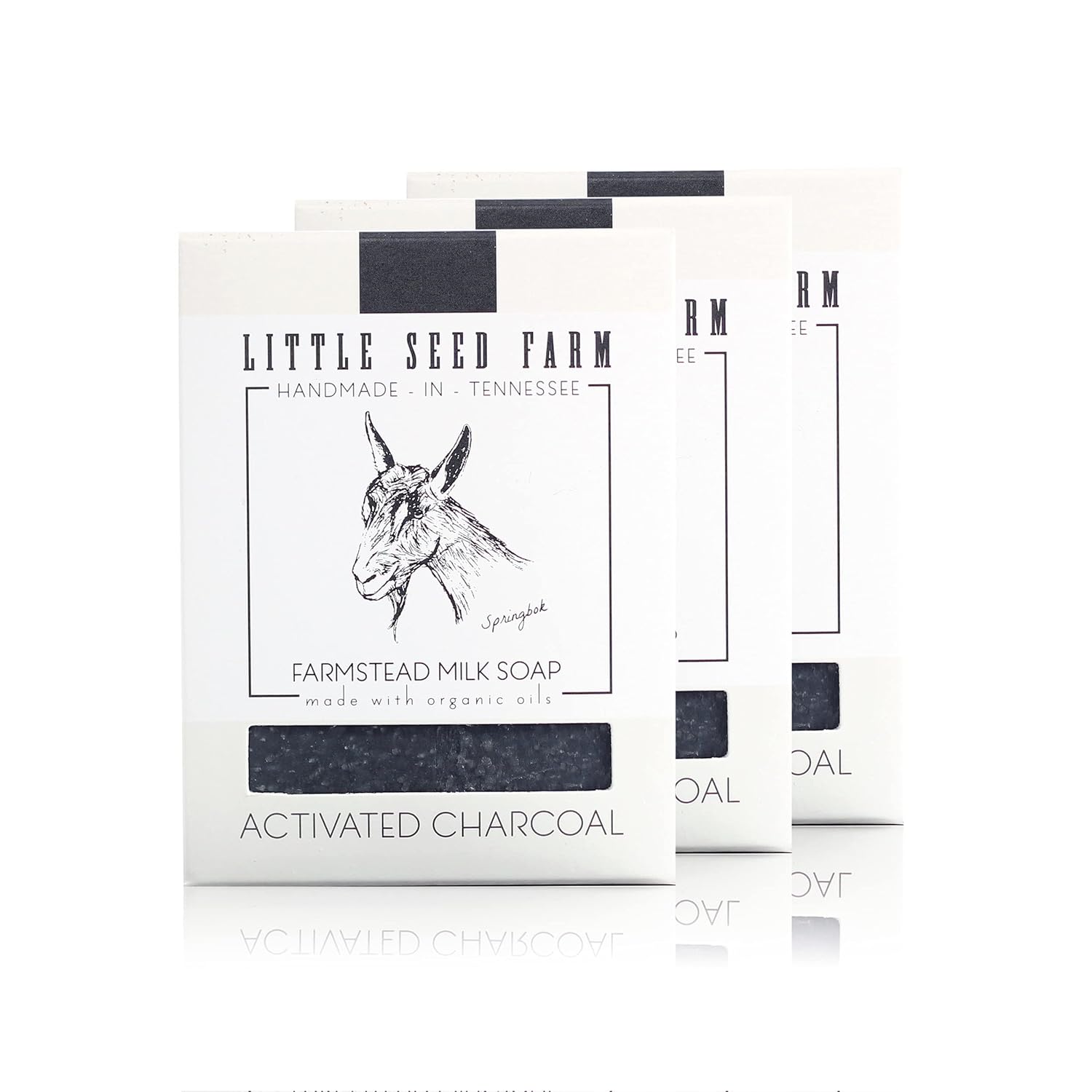
Activated Charcoal Goat's Milk Soap 3-Pack
Small-batch activated charcoal and goat-milk bars from a regenerative farm in Liberty, Tennessee.
 $24
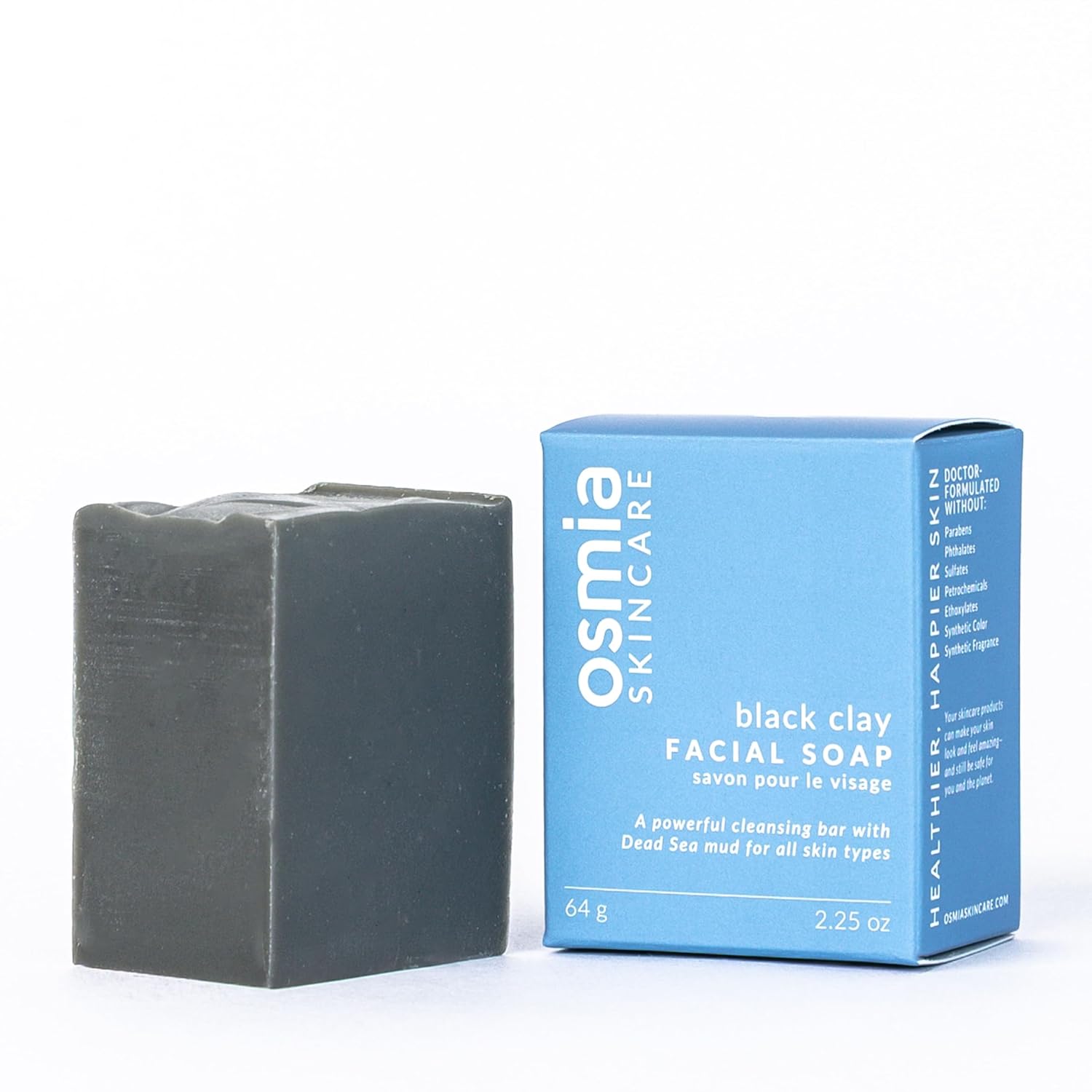
$24Black Clay Facial Soap Bar
A facial-grade cold-process bar from Carbondale, Colorado — Moroccan black clay draws out impurities without stripping.
 $10-$16
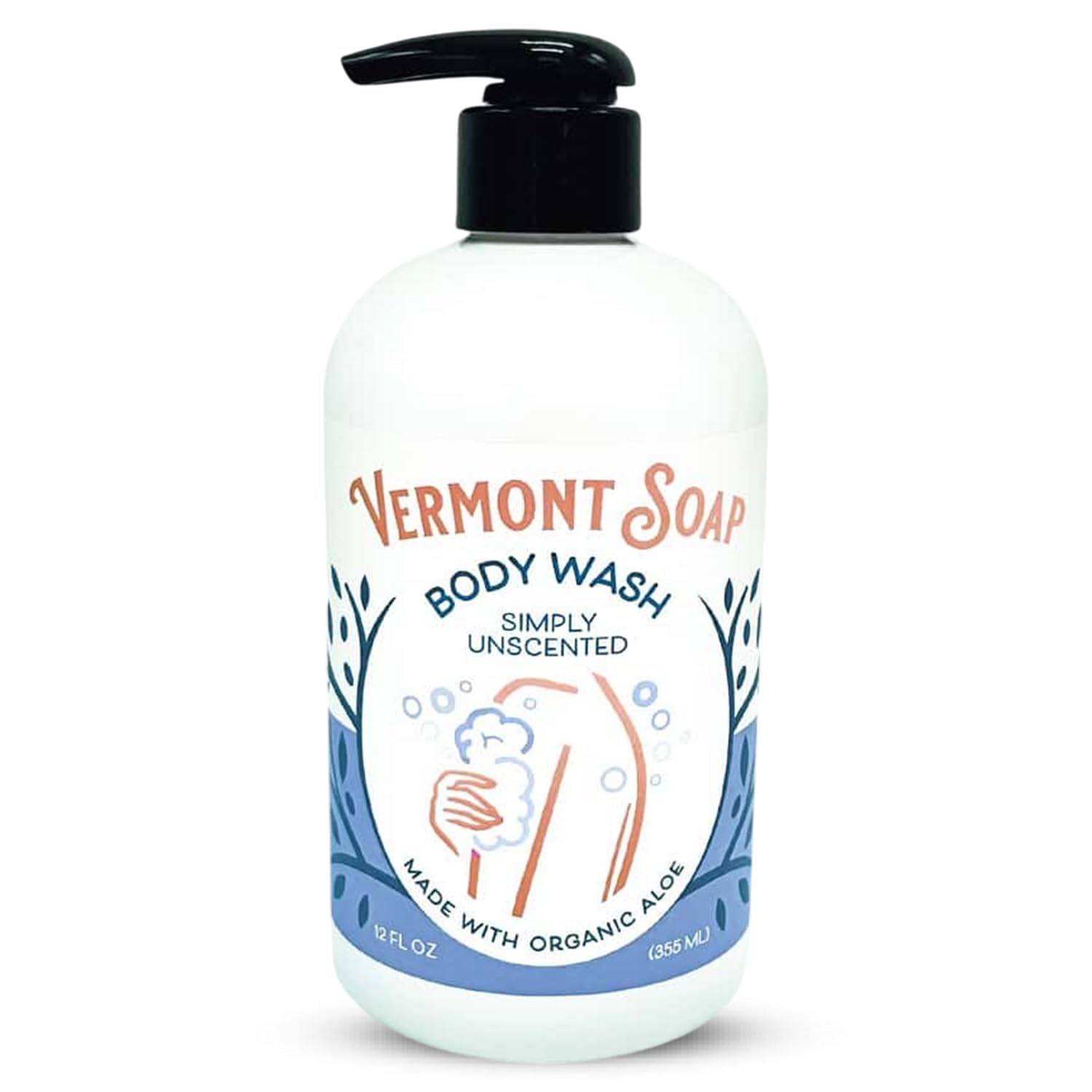
Vermont Soap Natural Body Wash Fragrance Free 12 oz
Certified organic liquid soap made in Middlebury, Vermont — a fragrance-free, no-frills castile for reactive skin.
Frequently asked questions
Aren't most natural soap brands already made in the USA?+
Not necessarily. 'Natural' and 'American-made' are independent claims. Many brands formulate in the US but manufacture abroad, or use the brand address to imply domestic origin without confirming domestic production. Every maker on this list explicitly states where the soap is made, down to the state or city.
What's the difference between cold-process bar soap and liquid castile soap?+
Cold-process bars are made by combining oils and lye, then curing for several weeks — they retain glycerin, which liquid detergent soaps strip out. Castile soap (as Dr. Bronner's and Vermont Soap make it) is a true soap using plant oils, diluted with water into a liquid. Both are gentler than synthetic detergent bars, which dominate supermarket shelves.
Is goat-milk soap actually better for sensitive skin?+
Goat milk contains lactic acid (a mild AHA) and fat globules that help moisturize while cleansing. Many people with eczema-prone or reactive skin find it less irritating than standard soap. Beekman 1802, Chagrin Valley, Goat Milk Stuff, and Little Seed Farm all specialize in it.
What does 'Made in USA' mean for soap specifically?+
For soap and personal care, FTC guidelines require that all or virtually all of the product be made domestically — including formulation and manufacturing, not just packaging or bottling. Look for brands that name the specific state or facility; vague claims like 'crafted with care in America' are a red flag.
Know one we missed?
These guides grow as the directory does. Submit an American-made product or company and help the next shopper find it.