American-Made Knives: Pocket, Fixed Blade, and Kitchen Blades Still Forged in the USA
Most blades on the shelf today are stamped or cast overseas, even ones carrying storied American names. These aren't. Every knife here is still made in the United States by a company that grinds, heat-treats, and finishes domestically — filterable by type, state, and price.
- Knives compared
- 13
- American makers
- 8
- States
- 8
Why American-made knives are worth seeking out
A well-made knife is a generational tool. The brands on this list earn that by still doing the hard part at home: forging or stock-removing steel, grinding edges, heat-treating blades, and fitting handles, all in the United States. That process shows up in the finished blade — in the consistency of the grind, the predictability of the edge, and the warranty that stands behind it.
There's a practical case too. When a company controls its entire production — from bar stock to final inspection — material traceability is real. You know what steel is in the blade, where it was hardened, and who is accountable if something goes wrong. That kind of supply-chain visibility is genuinely rare at any price point.
What to look for: steel, edge, lock, and warranty
Steel. For pocket and field knives, 1095 high-carbon steel (KA-BAR, ESEE, Ontario) is tough, easy to resharpen in the field, and responds well to a strop. Premium stainless like CPM-S30V (Spyderco) holds an edge longer but takes more effort to resharpen. For kitchen knives, high-carbon stainless — the alloy Lamson and Dexter-Russell use — balances edge retention with rust resistance.
Grind. A flat or hollow grind on a pocket or field knife produces a slicing edge; a convex grind (common on Randall and some Buck models) is stronger at the edge and better for chopping. Full-flat grinds on chef's knives, like Lamson's and Blanc Creatives', slice cleanly through food without resistance.
Lock mechanism. For folding knives, a frame lock (Spyderco Manix) or lockback (Buck 110) is strong and proven. Liner locks work, but on a hard-use knife look for steel liners, not brass.
Warranty. Almost every maker here offers a lifetime warranty or unconditional guarantee — Buck, Spyderco, KA-BAR, and ESEE all cover manufacturing defects for the life of the knife. Randall's blades are individually documented and the company has been honoring its work since 1938.
Who makes what
Pocket and folding knives: Spyderco (Golden, CO) leads on premium steel and precision — their Colorado-made models are industry benchmarks. Buck (Post Falls, ID) owns the classic American lockback with the 110.
Fixed-blade and tactical: KA-BAR (Olean, NY) is the military-heritage choice; the USMC fighter is one of the most produced fighting knives in history. ESEE (Alabama) builds rugged 1095 blades for hard outdoor and survival use. Randall Made (Orlando, FL) is the heirloom tier — hand-ground, long waiting list, prices to match.
Hunting: Buck and Randall split the space between accessible and collectible. Ontario's RAT-3 is the workhorse value pick.
Kitchen: Lamson (Shelburne Falls, MA) has been making American kitchen cutlery since 1837 and covers everyday price points well. Blanc Creatives (Virginia) is the boutique tier — a hand-forged chef's knife that's both a tool and an object.
Every knife above links to its full detail page in the directory, with its documented manufacturing location and company profile. Know an American knife maker we're missing? Submit it.
 $50-$75
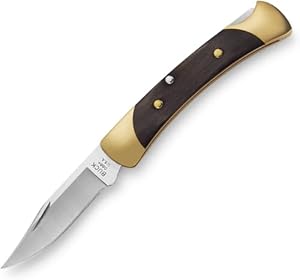
Buck 110 Folding Hunter Knife
The definitive American folding knife — a lockback with a clip-point blade, brass bolsters, and genuine wood scales, made in Post Falls, Idaho since 1964.
 $50-$70
Buck 119 Special Fixed Blade Knife
A classic clip-point hunting blade with a phenolic handle and leather sheath, made in Post Falls, Idaho.
 $130-$170
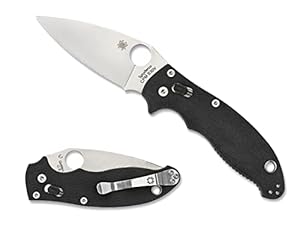
Manix 2 Folding Knife C101GP2
A full-size folding knife with Spyderco's signature round hole opener and a premium CPM-S30V blade ground in Golden, Colorado.
 $100-$130
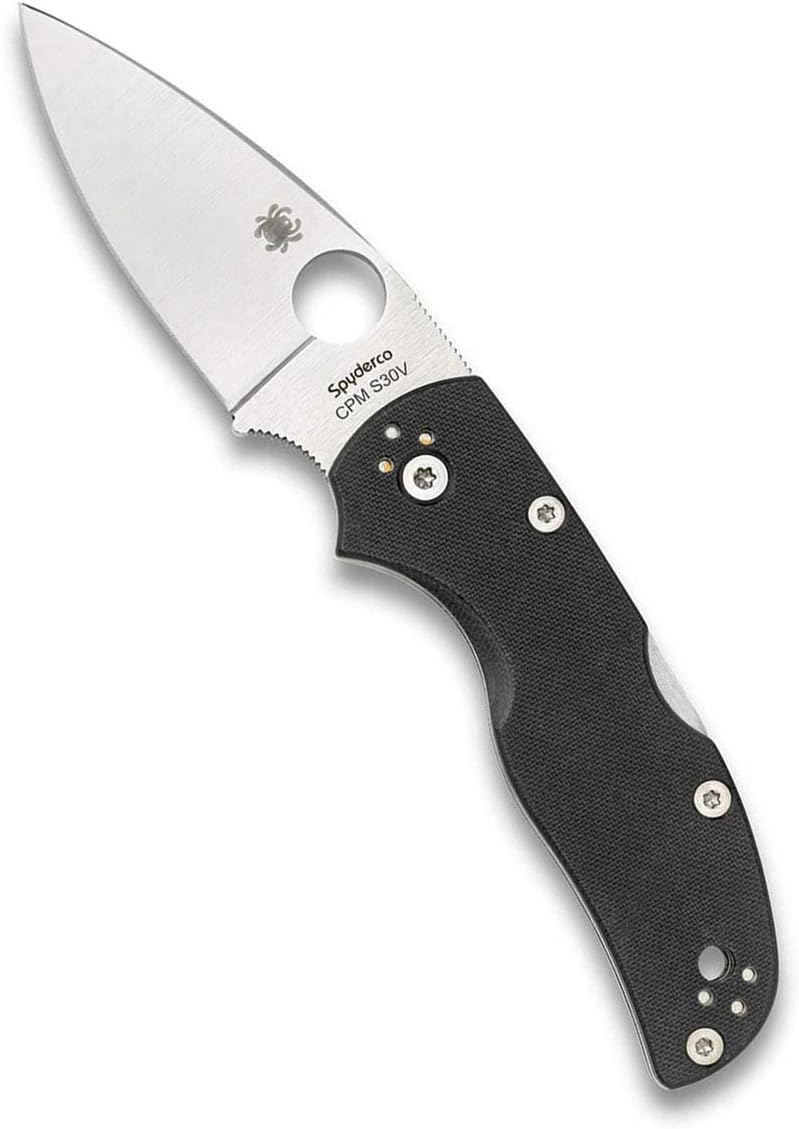
Native 5 Folding Knife C41GP5
A slimmer folding EDC with a full-flat-grind CPM-S30V blade — lighter in the pocket but no less capable, made in Colorado.
 $75-$115
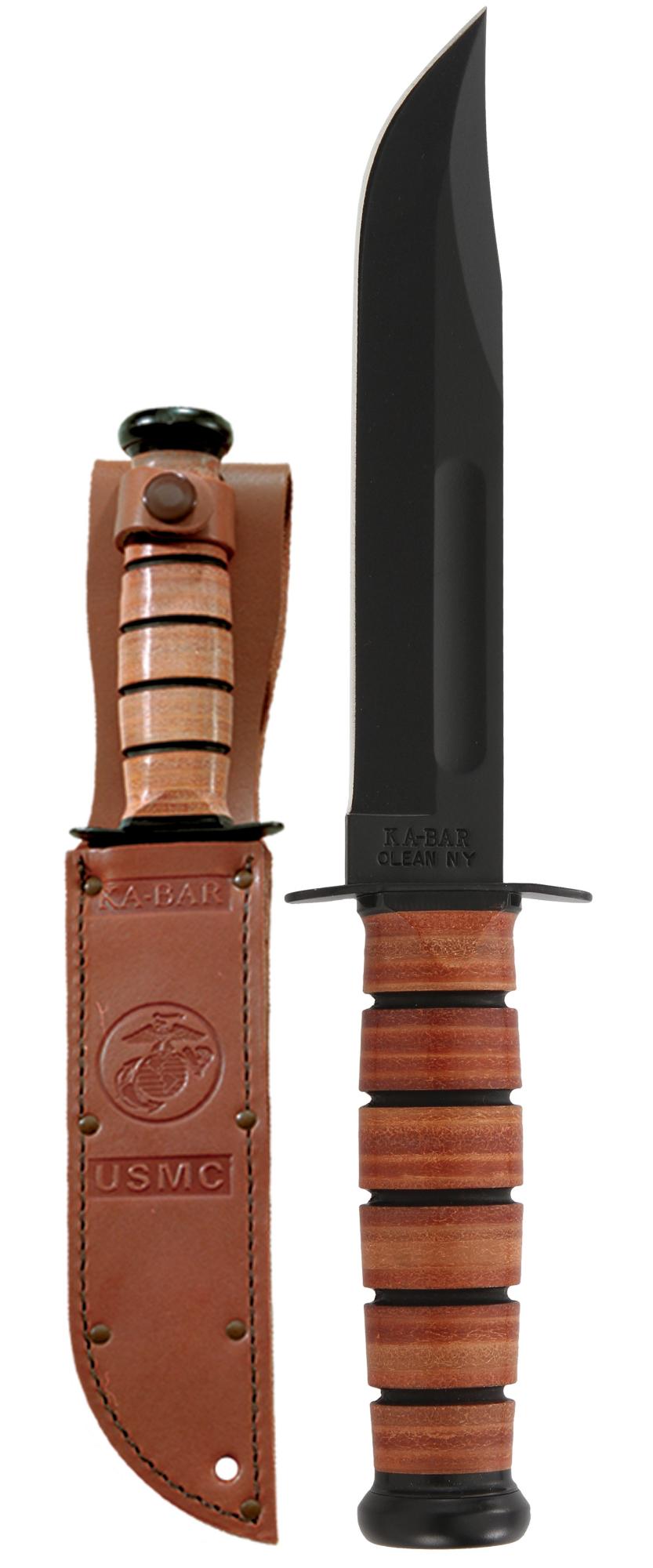
KA-BAR 1217 USMC Fighting Knife
The knife every US Marine carried in World War II. A leather-stacked handle, 1095 Cro-Van steel blade, and USMC stamp — still made in Olean, New York.
 $85-$120
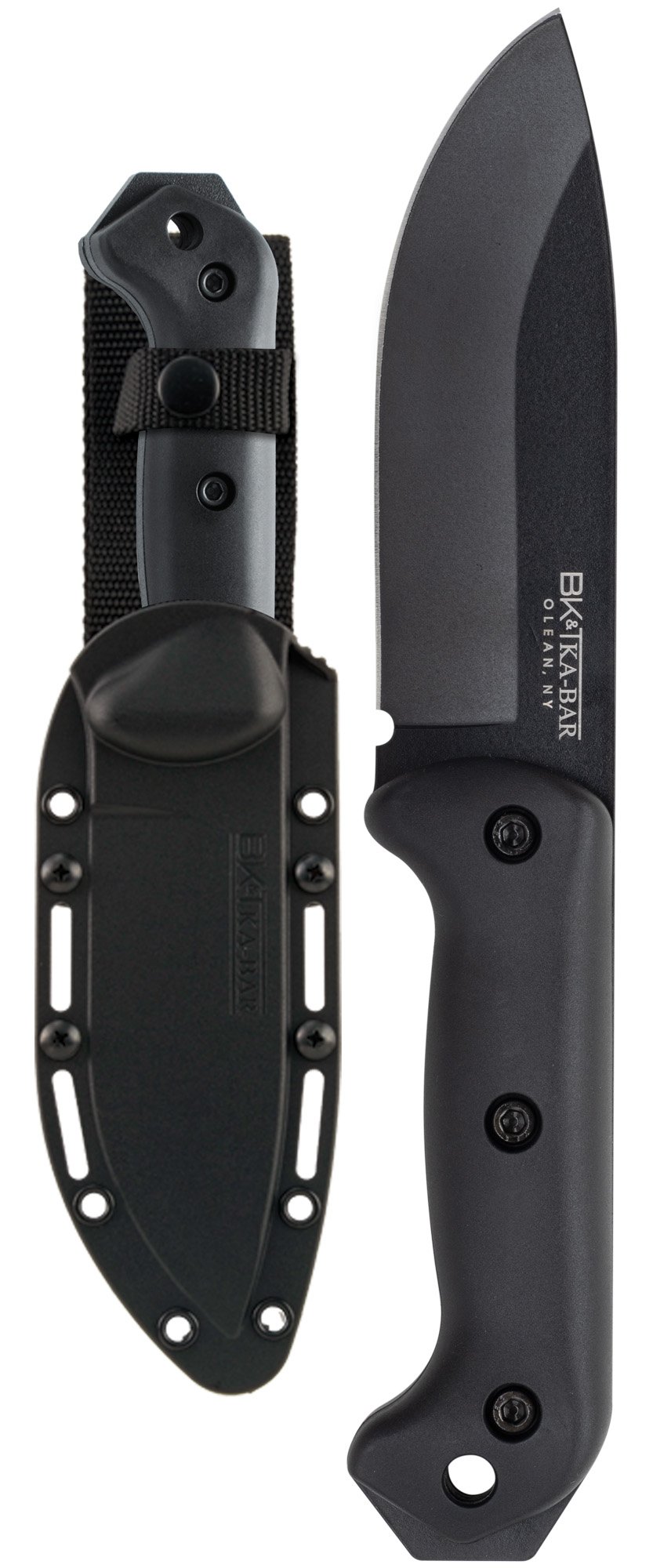
KA-BAR Becker BK2 Campanion Fixed Blade Knife
A thick 1095 steel blade designed with survival-knife authority Ethan Becker — a camp and field workhorse made in New York.
 $100-$140
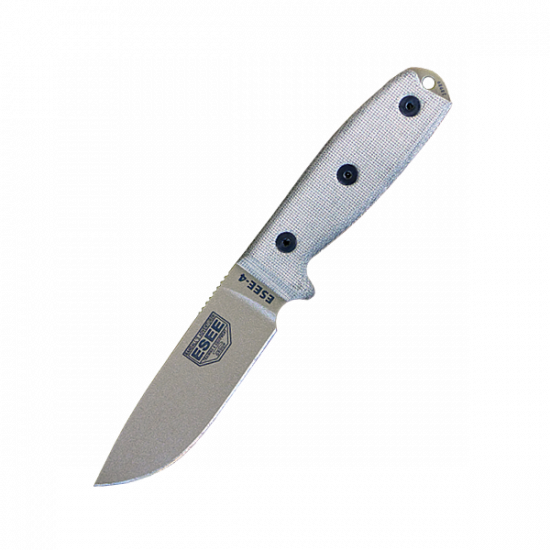
ESEE 4 Fixed Blade Knife
A 1095 high-carbon fixed blade with a micarta handle and powder-coat finish, designed in the USA and made in Alabama for backcountry and tactical use.
 $520-$570
Model 1 - All Purpose Fighting Knife
Hand-ground in Orlando, Florida since 1938 — Randall's iconic clip-point fighter with a stag or Micarta handle and a waiting list to match its reputation.
 $515-$565
Model 3 - Hunter
The hunter that put Randall on the map: a trailing-point blade, brass guard, and handle options from stag to canvas Micarta, every one hand-finished in Florida.
 $18-$25
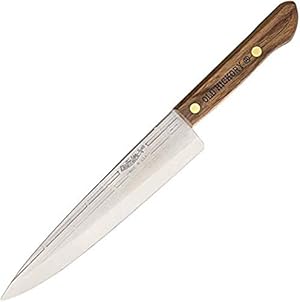
Old Hickory 8-Inch Cook Knife
A carbon-steel cook's knife with a genuine hickory handle, made in Franklinville, New York — the same pattern since 1889 and under $25.
 $50-$75
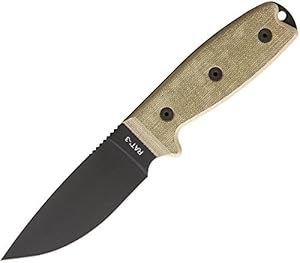
OKC RAT-3 Fixed Blade Knife
A compact 1095 steel fixed blade — the RAT-3 is Ontario's modern tactical answer to a field knife, made in New York.
 $110-$130
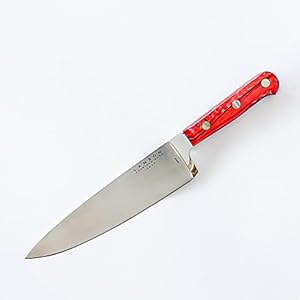
Lamson Premier Forged 8" Chef's Knife — FIRE Handle
A full-tang forged 8-inch chef's knife finished in Shelburne Falls, Massachusetts — Lamson has been making American cutlery since 1837.
Frequently asked questions
Aren't most 'American' knife brands still made in the USA?+
The brand heritage may be American; the blade often isn't. Many names that built their reputations on US-made steel now source blades or finished knives overseas. The makers on this list still grind, heat-treat, and finish their blades domestically and say so explicitly — look for 'Made in USA' stamped into the blade or tang, not just printed on the box.
What steel do American-made knives use?+
It varies by maker and segment. Spyderco uses premium American steels like CPM-S30V and CPM-S110V, ground and heat-treated in Golden, Colorado. Buck uses 420HC and S30V. ESEE, KA-BAR, and Randall use 1095 carbon steel for field knives — a tougher, more resharpenable choice for hard outdoor use. Kitchen makers like Lamson and Blanc Creatives use high-carbon and forged German-style steel blanks finished in their US facilities.
Why do some American-made knives cost so much more than imports?+
Domestic steel, skilled labor, and smaller production runs all raise the per-unit cost. A Randall Made knife, hand-ground in Orlando since 1938, has a waiting list of a year or more because every knife is finished by a craftsperson. Spyderco's Golden, Colorado facility uses precision CNC grinding but keeps all heat-treating and quality inspection in-house. You're paying for material traceability and accountability the global supply chain can't easily replicate.
What's a good entry-level American-made knife?+
The Ontario Knife Old Hickory line starts under $25 for a carbon steel cook's or butcher knife with a genuine hickory handle — made in Franklinville, New York since 1889. Buck's 110 Folding Hunter, at $50–$75, is the definitive American pocket knife and has been made in Post Falls, Idaho since 1964. Both are lifetime tools at everyday prices.
Know one we missed?
These guides grow as the directory does. Submit an American-made product or company and help the next shopper find it.