American-Made Jeans & Raw Denim: The Makers Still Cutting in the USA
Most jeans sold in the US are sewn overseas, including many brands with 'American' in the name. These aren't. Every pair here is cut and sewn in the United States by a company that owns its domestic production — filterable by type, state, and price.
- Jeans compared
- 13
- American makers
- 9
- States
- 7
Why American-made jeans are worth seeking out
The US once led the world in denim production. Levi's, Lee, and Wrangler all manufactured domestically for most of the twentieth century. By the 1990s and 2000s, nearly all of it had moved offshore. What's left is smaller — but better. The makers on this list are not legacy brands maintaining the minimum required to call themselves American. They're purpose-built domestic operations, most of them founded after 2000, that chose US production as a core value proposition rather than a cost-saving last resort.
That shows up in the details: chain-stitch hemming on Union Special machines, handpicked Japanese selvedge fabric, individually fitted waistbands, rivets placed by hand. These are jeans made with attention that factory-line volume production doesn't allow.
Selvedge and raw denim explained
Selvedge refers to how the fabric is made — on narrow shuttle looms that produce a self-finished edge. The fabric is denser and fades more richly than modern open-end-spun denim. Almost all selvedge fabric used by American makers today comes from Japanese mills (notably Kurabo, Kaihara, and Collect Mills), which preserved the old shuttle-loom infrastructure that American mills scrapped. The jeans are still cut and sewn in the US; the origin label refers to that production, not the fabric's.
Raw denim means the fabric was not pre-washed after dyeing. It will shrink on first contact with water — plan for 1–2 inches in waist and inseam — and it will fade according to your wear patterns, developing creases and contrasts that pre-washed denim cannot replicate. Most serious raw-denim buyers treat the first six months to a year as a break-in period, wearing the jeans dry as long as possible before the first wash to set dramatic fades.
Not every American-made jean is selvedge or raw. Round House and All American Clothing make workhorse denim in conventional pre-washed fabric — perfectly good jeans, just a different product at a different price.
Who makes what
The range runs from $60 workwear to $445 heirloom pieces:
- Budget workwear (under $90): Round House (Shawnee, OK) and All American Clothing Co. (Swanton, OH) are the two legacy-style domestic workwear makers, both using US ring-spun denim where possible and keeping prices below the selvedge tier.
- Mid-range selvedge ($130–$175): Brave Star Selvage (Los Angeles) offers Japanese selvedge at unusually accessible prices, including the 18oz double-knee Die Hard. Origin USA (Millinocket, ME) is notable for using US-milled fabric.
- Premium raw denim ($250–$310): 3sixteen (New York City), Freenote Cloth (Oceanside, CA), Railcar Fine Goods (Azusa, CA), Imogene + Willie (Nashville, TN), Todd Shelton (East Rutherford, NJ), and Shockoe Atelier (Richmond, VA) all operate in this tier — serious construction, Japanese selvedge or US mill fabric, and multi-decade lifespans with proper care.
- Heirloom tier ($400+): Raleigh Denim Workshop (Nashville, NC) builds jeans on vintage Union Special machines in a small workshop. Their raw selvedge cuts are the most technically demanding domestic production on this list.
Every pair above links to its full detail page with the documented manufacturing location and company profile. Know an American denim maker we've missed? Submit it.
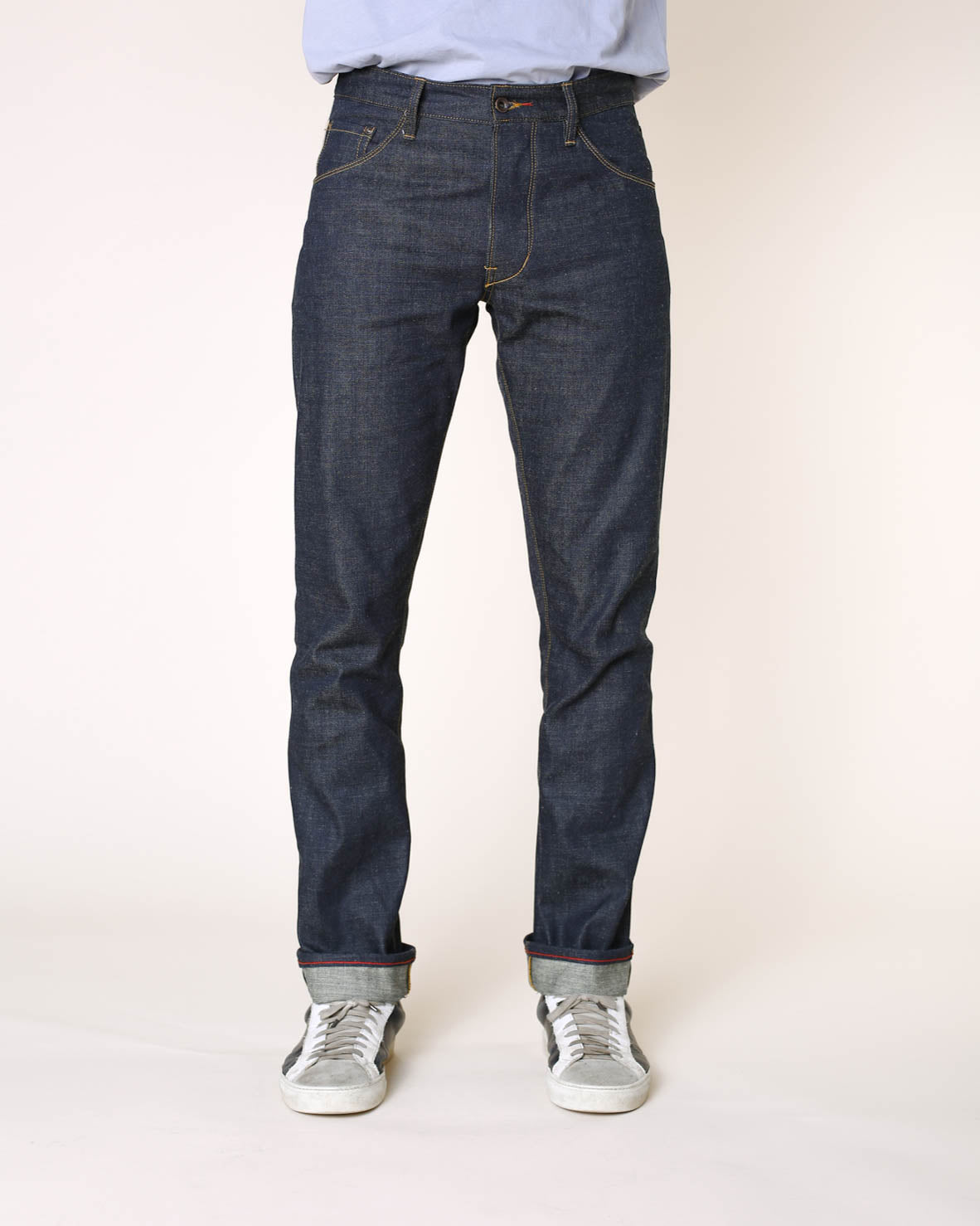 $445
$445Jones | Original Raw Selvage
Handcrafted in Nashville, North Carolina on vintage Union Special chain-stitch machines — as close to a 1950s American jean as you can buy new.
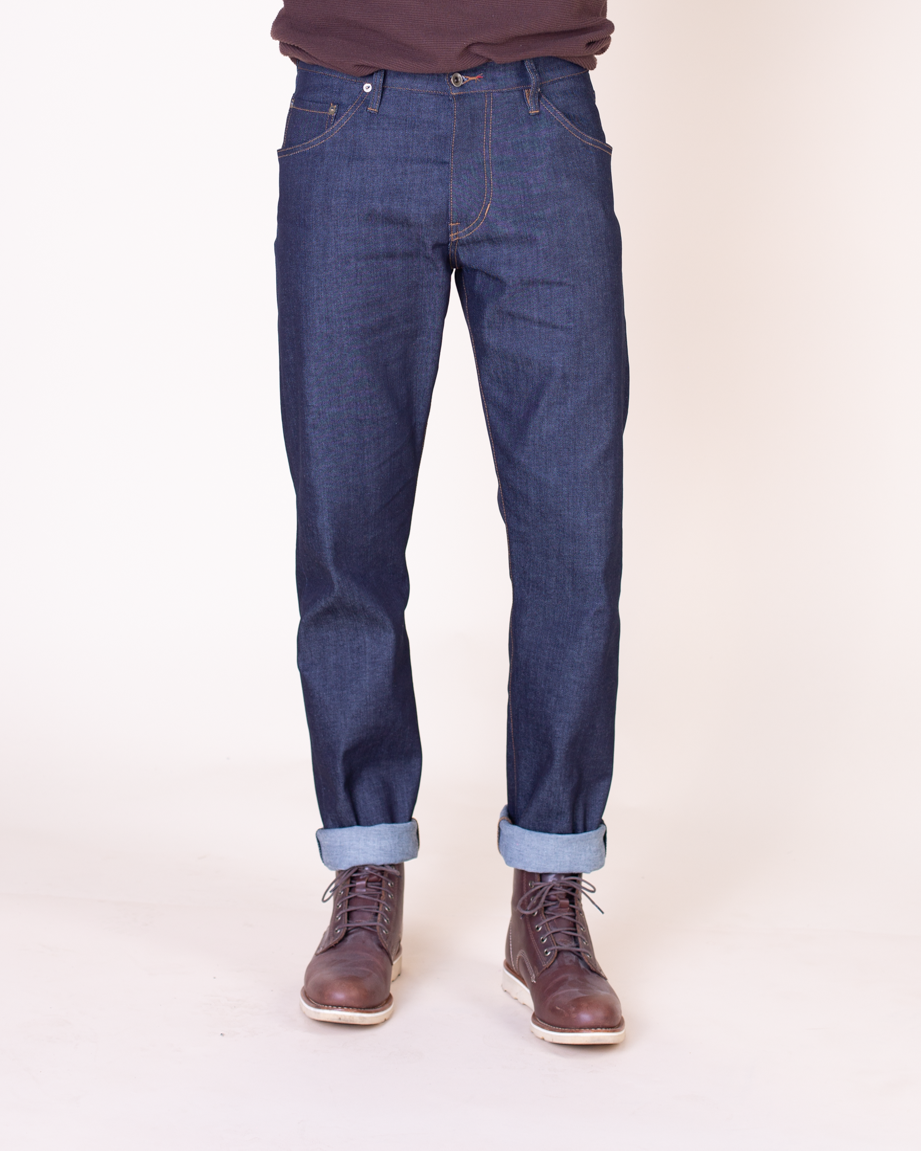 $245
$245Alexander | Americana
Raleigh's everyday wash — the Alexander cut in a classic Americana rinse, made in the same Nashville, NC workshop.
 $300
$300Original 13 Selvedge Dark Wash Jeans
Sewn in East Rutherford, New Jersey — Todd Shelton's flagship selvedge in a dark wash, with an unusually generous fit range up to 44-inch waist.
 $305
$305Modesto Straight | 16 Ounce Indigo Denim
A 16oz straight-leg jean from Oceanside, California — one of the heaviest domestic cuts available, built for serious fading and a lifetime of wear.
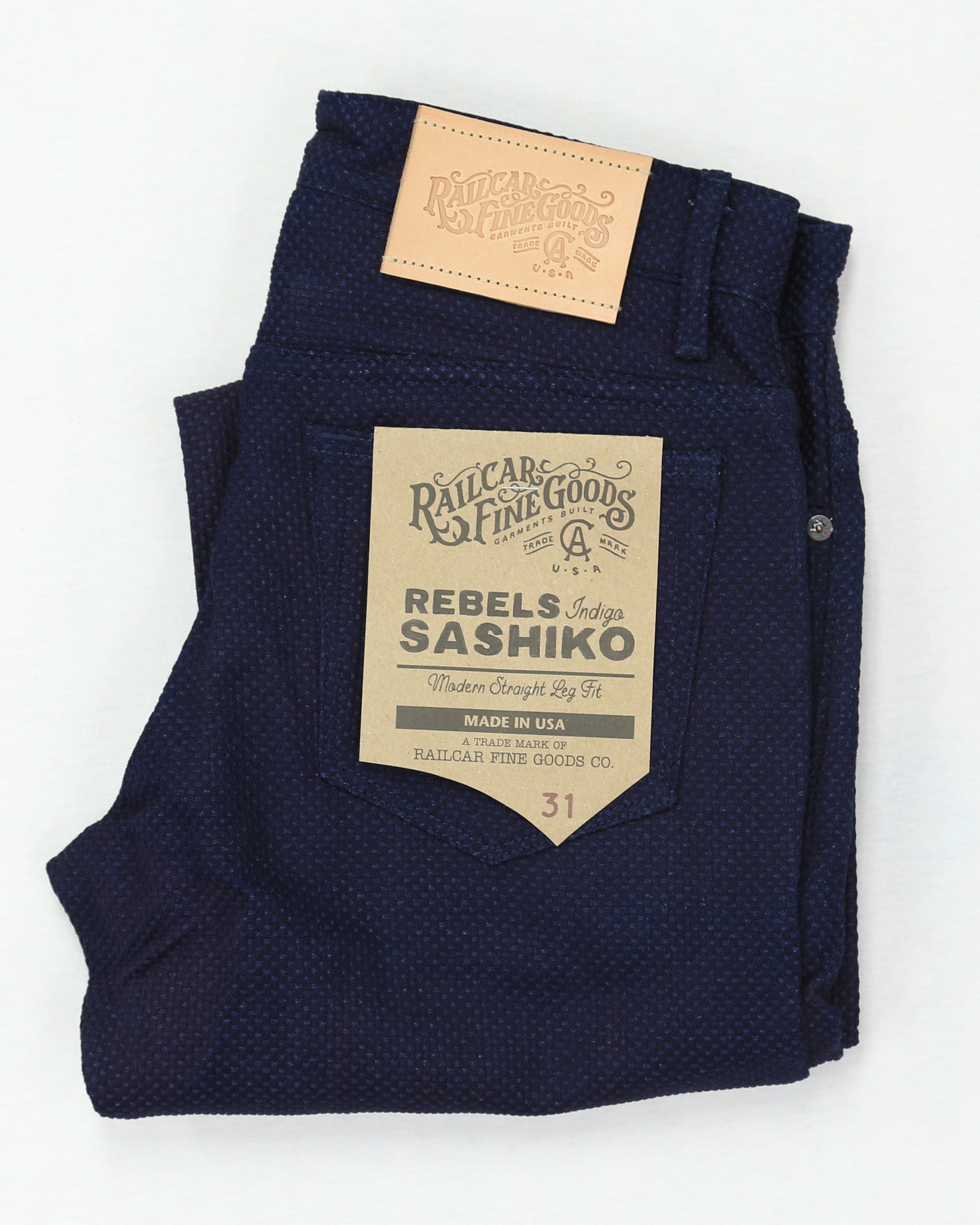 $268
$268Rebels Sashiko Modern Straight Leg 12 Oz Indigo
A straight-leg jean in 12oz Japanese sashiko-weave indigo from Railcar's Azusa, California workshop — distinctive texture and fade character.
 $265
$265Hank Indigo Rigid Jean
Nashville-made in rigid indigo denim — the Hank cut is Imogene + Willie's classic straight, sewn in their Tennessee workshop.
 $128
$128ORIGIN® Maverick Jeans - Straight
Sewn in Millinocket, Maine from US-milled denim — Origin is one of the few makers using domestically produced fabric in addition to domestic sewing.
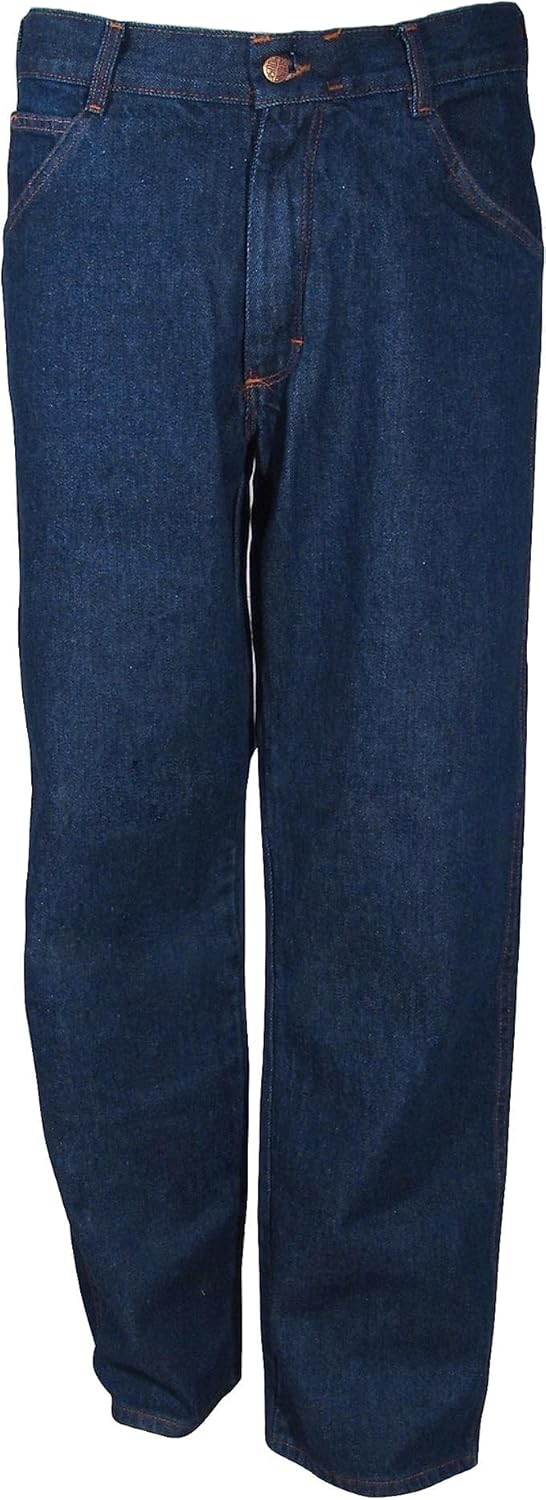 $60-$75
Round House #103 Made in USA Dark Stone Washed Relaxed Fit 5-Pocket Jean
Workwear jeans made in Shawnee, Oklahoma since 1903 — the most affordable pair on this list and among the most durable.
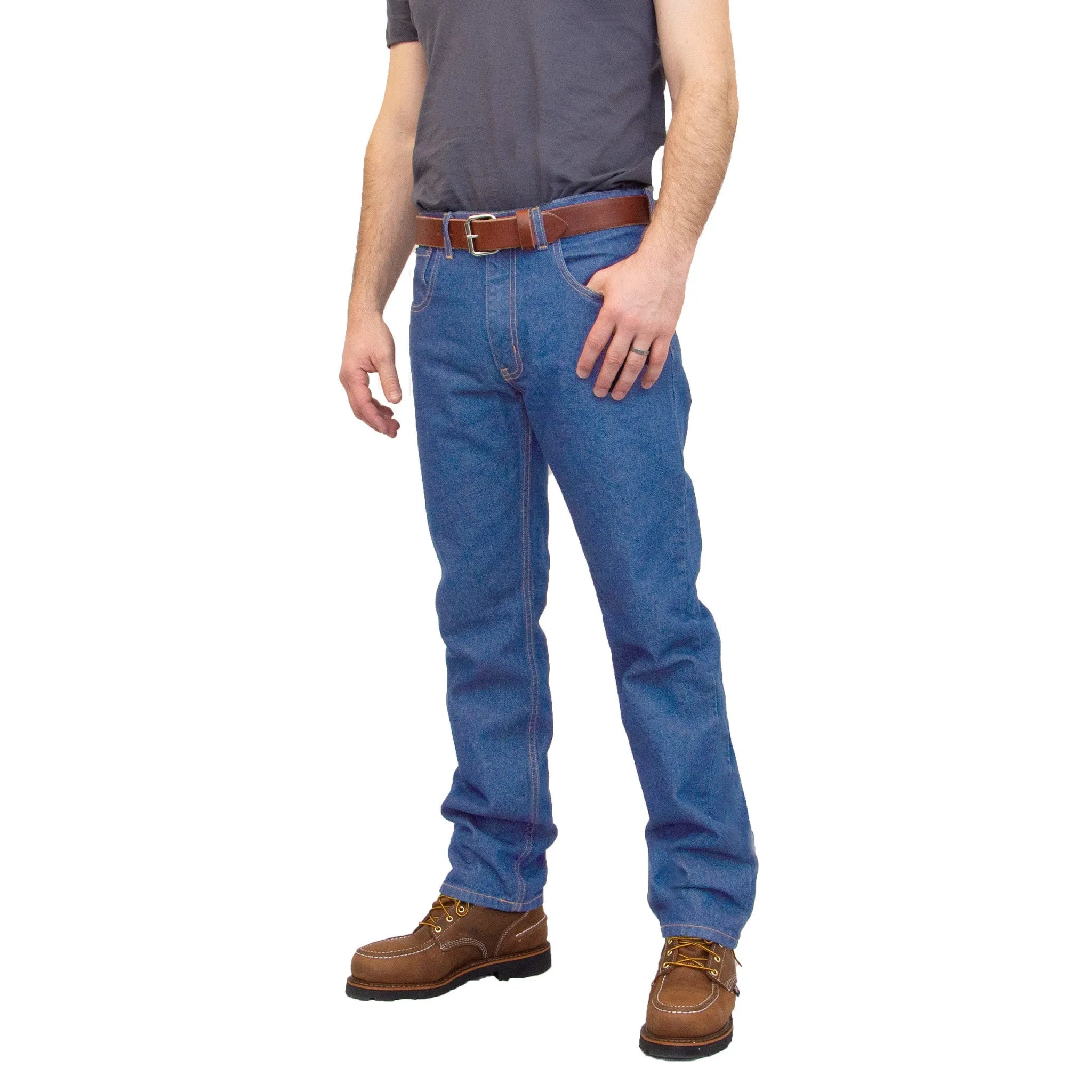 $75-$85
All American Clothing Men's Classic 5-Pocket Jeans
Cut and sewn in Swanton, Ohio from US-milled ring-spun denim — no frills, honest construction, under $85.
Frequently asked questions
What is selvedge denim and why does it matter?+
Selvedge (also spelled 'selvage') denim is woven on narrow shuttle looms that produce a self-finished edge on both sides of the fabric — that's the tightly bound strip you see on the outseam when jeans are cuffed. Shuttle looms are slow and expensive, which is why most denim mills abandoned them. The fabric they produce is denser, more tightly woven, and fades in richly textured ways that ring-spun open-end denim does not. Most selvedge denim in American-made jeans today is milled in Japan, though the cutting and sewing is domestic.
What does 'raw' or 'unsanforized' mean?+
Raw denim has not been washed or treated after dyeing. It will shrink on first wash — usually 1–2 inches in the waist and length — and fade according to how you wear it, developing unique creases and wear patterns that pre-washed denim can't replicate. Unsanforized raw denim shrinks more than sanforized; most makers specify which. Soak or wash before wearing for the first time to lock in your fit, or wear dry for months to develop pronounced fades first.
Why do American-made selvedge jeans cost $200–$400?+
The math is straightforward: premium selvedge denim fabric runs $20–$40 per yard at wholesale, a pair of jeans takes roughly 2–2.5 yards, and US sewing labor at living wages adds another $50–$100 per unit. Add pattern-making, hardware, branding, and retail margin, and $250 is a fair price for a pair sewn domestically from quality fabric. The comparison isn't to a $60 imported pair — it's to a garment you might own and wear for a decade.
Are there affordable American-made jeans below $100?+
Yes. Round House (Shawnee, Oklahoma) and All American Clothing Co. (Swanton, Ohio) both produce workhorse denim jeans well under $90, using US-milled denim where possible. They don't use selvedge fabric, but the cut, construction, and domestic sewing are solid — and the value proposition is hard to argue with.
Know one we missed?
These guides grow as the directory does. Submit an American-made product or company and help the next shopper find it.