American-Made Bedding & Blankets: Sheets, Quilts, and Throws Still Made in the USA
Most sheets and blankets on the shelf today are spun and sewn overseas, even ones sold under American-sounding brand names. These aren't. Every product here is made in the United States by a company that spins, weaves, knits, or sews it domestically — filterable by type, state, and price.
- Products compared
- 13
- American makers
- 6
- States
- 6
Why domestic bedding is worth finding
You spend roughly a third of your life in bed. The sheets and blankets there touch your skin every night, go through the wash hundreds of times, and — if they're any good — outlast the furniture they're folded on. Most of what's sold today won't. Import bedding optimizes for the moment it's unboxed: a thread count number that looks impressive, a hand-feel achieved with softening chemicals that washes out by the third cycle. Domestic mills work differently. They depend on repeat buyers and word of mouth in a smaller market, so they build to last.
The makers on this list operate real mills or sewing rooms in the United States — in Georgia, Washington, Iowa, Minnesota, and Ohio — and in most cases have for generations. That's not nostalgia; it's a proxy for accountability. When the factory is in Faribault, Minnesota or on the coast of Washington state, the company can't hide behind a supply chain.
Sheets: what to look for beyond thread count
Thread count became a marketing number long ago. Manufacturers learned to count individual plies within a twisted yarn — so a "600-thread-count" sheet can actually have fewer threads per square inch than an honest 300-count sheet. For sheets that hold up, look instead at:
- Weave type. Percale (one-over, one-under) is crisp and cool. Sateen (four-over, one-under) is softer and has a slight sheen. Both are legitimate; the choice is personal.
- Cotton origin. American Blossom Linens and Authenticity50 both use U.S.-grown cotton woven and sewn domestically — rare enough to be worth calling out.
- Hem finish. A deep, cleanly stitched hem corners well and resists fraying. Inspect it before the first wash.
Blankets: wool vs. cotton
Wool blankets — Faribault Mill, Amana Woolen Mill, Holy Lamb Organics — are temperature-regulating in a way synthetic fill can't match. Wool wicks moisture, stays warm even when damp, and doesn't compress permanently with use. A good wool throw woven in Minnesota or Iowa will still be in use decades from now. Look for weight in ounces per linear yard as the honest measure of warmth.
Cotton blankets — Authenticity50, American Blossom, Amana's cotton line, Cherub's Blanket — are lighter, machine-wash-friendly, and work well as layering pieces or in warmer climates. Waffle weave and open knit are more breathable; tighter woven cotton is warmer and more durable through many washes.
Baby and crib bedding
The organic certifications (GOTS, OEKO-TEX) matter most here, and several makers on this list hold them: Cherub's Blanket in Ohio uses GOTS-certified organic cotton; Holy Lamb Organics uses certified organic wool. American Blossom Linens' crib sheet is sized and elasticized for a standard crib mattress and uses the same domestic cotton as their adult line. All are free of the flame-retardant chemicals that are common in cheaper import alternatives.
Know an American bedding or bath-linen maker we're missing? Submit it.
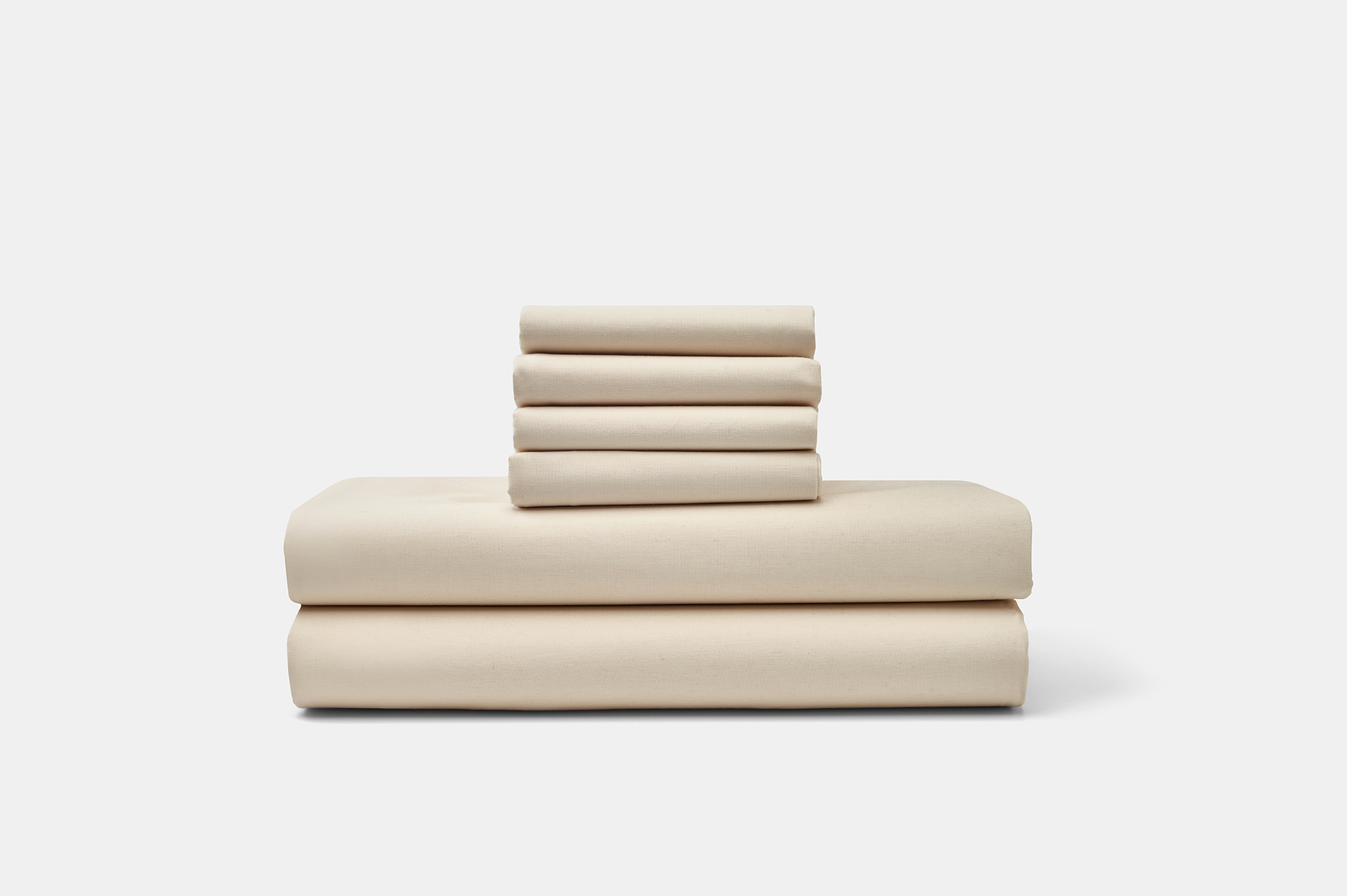 $279-$529
American Blossom Linens Cotton Percale Bed Sheet Set
Woven and hemmed in Georgia from 100% U.S.-grown cotton — one of the last percale sheet sets made entirely in America, from field to finished hem.
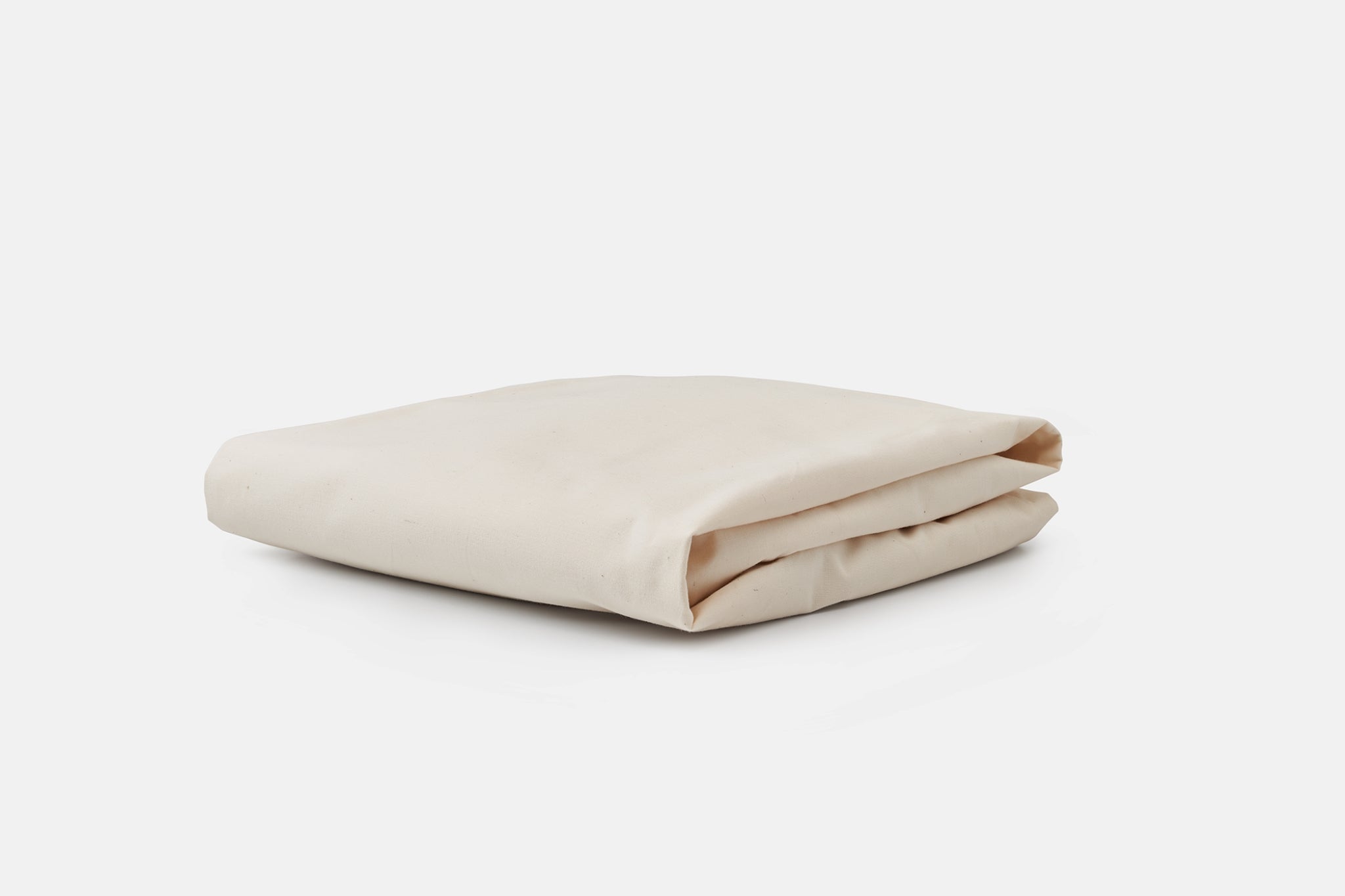 $79
$79American Blossom Linens Soft Cotton Baby Crib Sheet
Fitted crib sheet in soft American cotton, sewn in Georgia — sized for standard cribs, snug elastic all around.
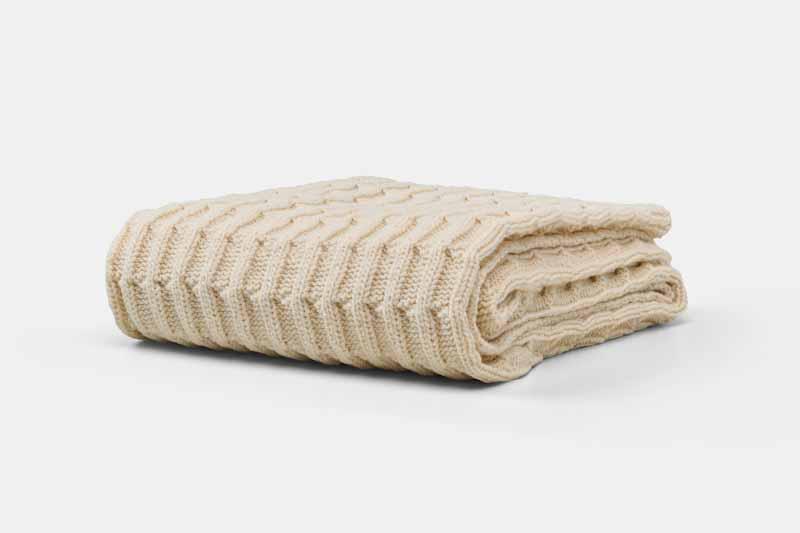 $129
$129American Blossom Linens Cotton Knitted Baby Blanket
Open-weave knitted baby blanket in breathable American cotton, made in Georgia.
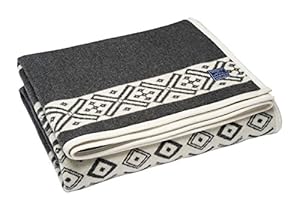 $125-$175
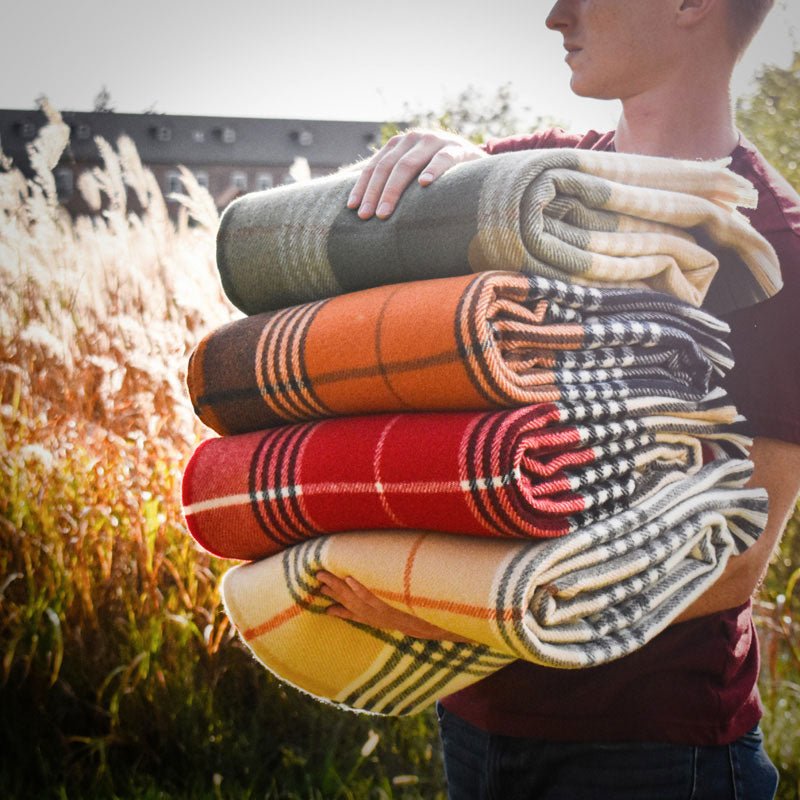
Tofte Fair Isle Wool Blend Blanket
Woven at the Faribault Mill in Minnesota since 1865 — a wool-blend throw in a classic Fair Isle pattern, built to outlast trends and cheap substitutes alike.
 $190
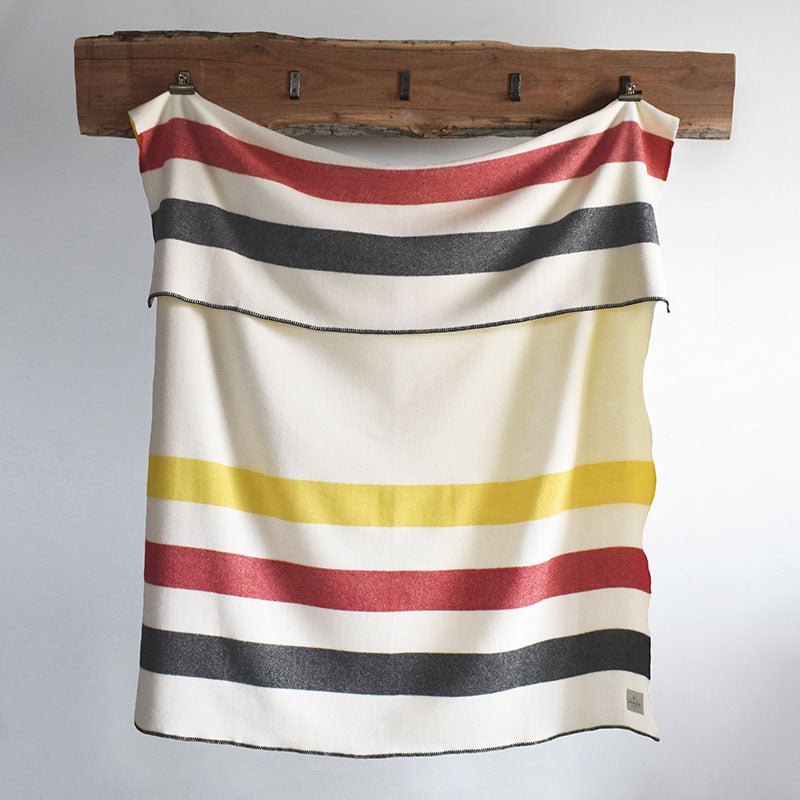
$190Grand Wool Throw Blanket
Dense wool throw from the Amana Woolen Mill in Iowa, a community mill operating since the 1860s. Heavyweight and heirloom-quality.
 $210
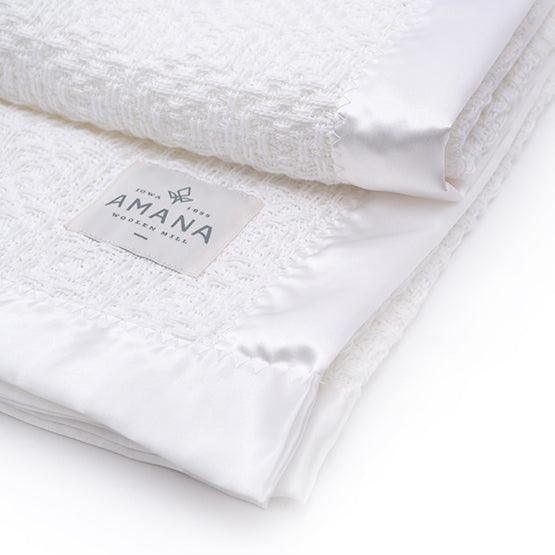
$210Amana Stripe Wool Throw Blanket
Striped wool throw woven at the Amana colony mill in Iowa — 100% wool in a bold, traditional stripe.
 $65
$65Diamond Weave Cotton Baby Blanket
Diamond-pattern woven cotton baby blanket from Amana Woolen Mill — a softer, lighter option from the same Iowa mill.
 $182
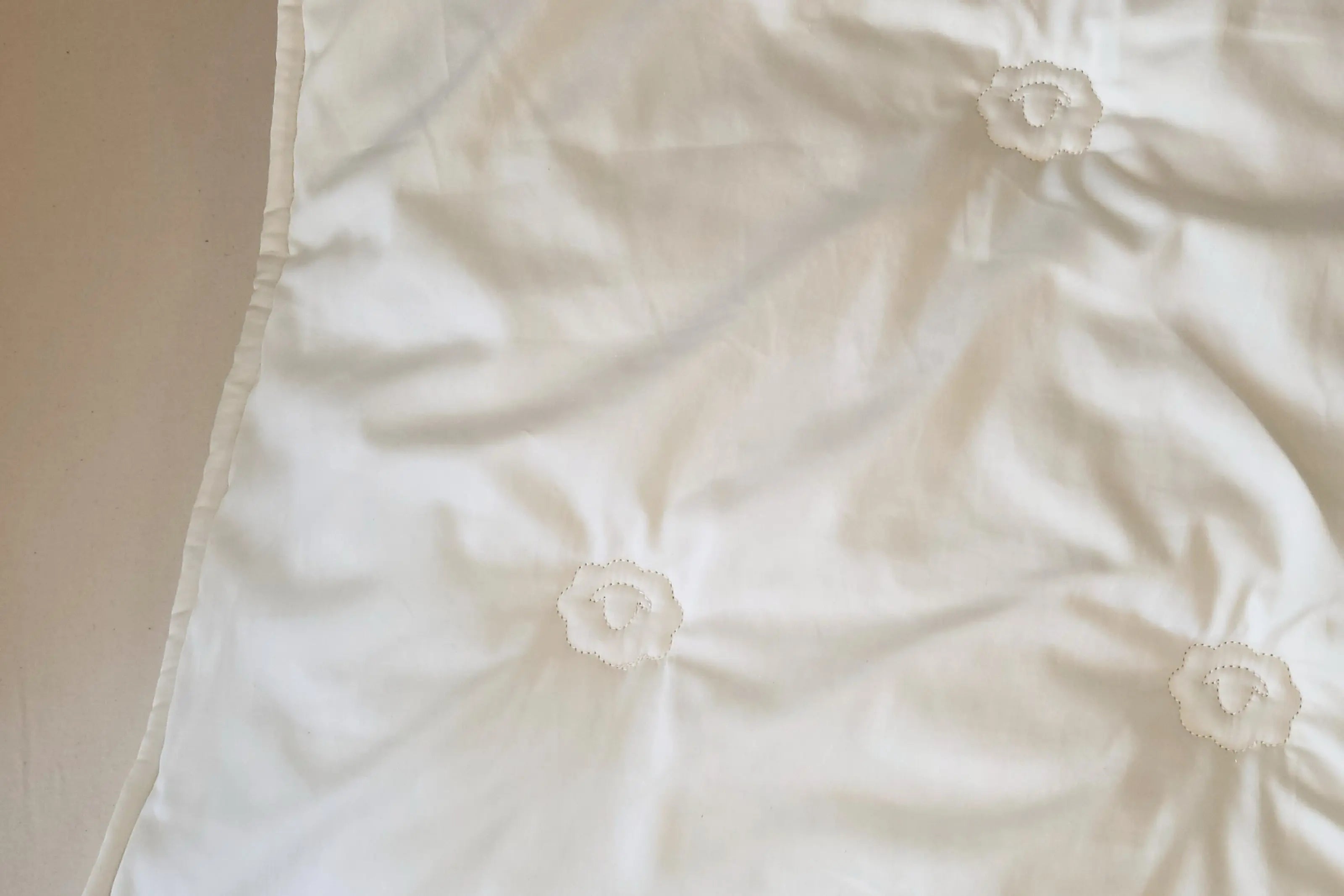
$182Natural Wool Toddler Comforter
Natural wool-filled comforter for toddlers, hand-sewn in Washington state by Holy Lamb Organics using certified organic wool batting.
Frequently asked questions
Aren't many bedding brands already American?+
The brand may be American; the fabric almost certainly isn't. The vast majority of sheets and blankets — including those sold under well-known U.S. names — are now woven in Pakistan, India, or China. The makers on this list still operate domestic mills or sewing rooms and say so explicitly.
What thread count or weave should I look for?+
Thread count is frequently gamed: inflated numbers often mean thinner, two-ply yarns twisted together rather than a genuinely denser weave. For sheets, look instead for the weave type (percale for crisp and cool; sateen for silky) and the cotton origin. For blankets, wool weight in ounces per yard is a more honest measure of warmth and durability.
Is American-made bedding noticeably more expensive?+
Yes, in most cases — domestic labor and raw material costs are real. But the gap is narrower than it looks once you factor in longevity. A Faribault wool blanket or a set of American Blossom percale sheets that lasts 15 years costs less per year of use than import bedding replaced every few years.
How do I confirm a product is genuinely made in the USA?+
Look for the manufacturing location named on the company's own site, not just a 'Made in USA' badge on a product page. Every item here links to its full directory page with its documented mill or factory location.
Know one we missed?
These guides grow as the directory does. Submit an American-made product or company and help the next shopper find it.